
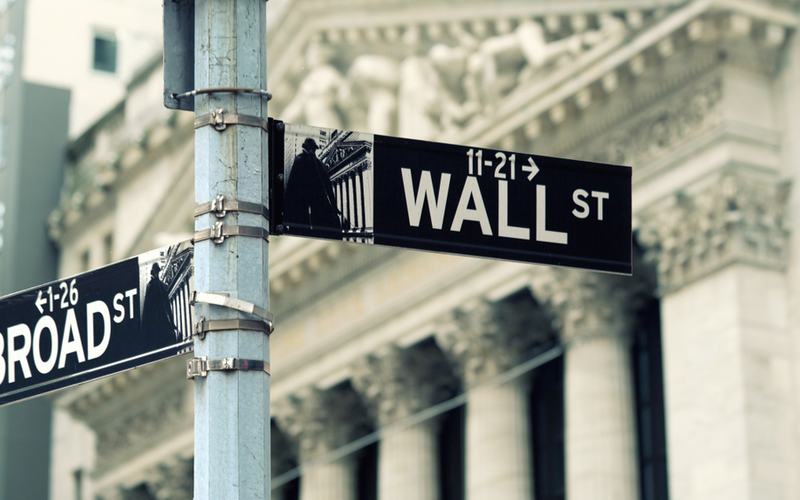
Global stock markets shed more than $1 trillion in value on Tuesday as fears of a prolonged Middle East war drove a sharp selloff. The S&P 500 dropped to a three-month low, erasing all gains for 2026 so far, while the Dow Jones Industrial Average and Nasdaq Composite also posted steep declines.
U.S. stocks opened sharply lower but pared some losses by midday. The Dow fell as much as 1,200 points, or 2.6%, before trimming to a 0.7% decline of around 335 points to 48,570. The S&P 500 slipped 0.9% to about 6,826, after dipping 2.5% intraday, while the Nasdaq Composite lost 0.9% following a 2.7% plunge earlier. The losses marked the second straight day of declines, with over $3.2 trillion evaporated from global markets in the past 48 hours.
The catalyst was escalating conflict between Iran and U.S.-Israeli forces. Iran closed the Strait of Hormuz, through which 20% of global oil passes, and threatened attacks on vessels, following strikes on energy infrastructure. President Trump warned the war could extend beyond four weeks, heightening concerns over supply disruptions. Brent crude surged over 6% to $83.83 a barrel, and West Texas Intermediate rose above $75, its highest since mid-2025.
European markets extended losses, with the Stoxx 600 down 3.1%. In Asia, South Korea's Kospi plummeted 7.2%—its worst day in 19 months—with semiconductor giants Samsung Electronics and SK Hynix dropping 10% and 11.5%. Japan's Nikkei fell 3.1%.
Tech and chip stocks bore the brunt, with the Philadelphia Semiconductor Index down over 4%. Energy costs threatened profit margins in semiconductors and AI-related firms. All S&P sectors declined, led by materials at 4.5%. The CBOE Volatility Index topped 25, its highest since November.
Investors worried about sticky inflation from higher energy prices and recession risks, despite U.S. energy independence buffering some impacts. New York Fed President John Williams noted the war adds economic uncertainty. Gold and silver prices fell sharply after rallying, as risk-off sentiment dominated.
The selloff reflected broader fears that prolonged disruptions could slow growth worldwide, though some analysts pointed to historical market resilience during geopolitical shocks.

Comments
No comments yet. Be the first to share your thoughts.