
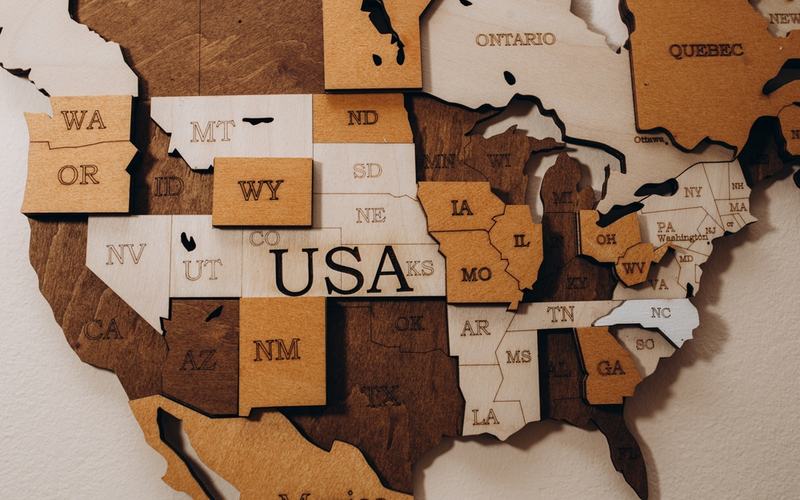
The 2030 Apportionment Forecast has been updated based on new population data, highlighting significant shifts in congressional representation across the United States. Texas and Florida are projected to see the largest gains, each adding four seats due to robust population growth. Several other states, including Idaho, Utah, Arizona, North Carolina, Georgia, and South Carolina, are expected to gain one seat each.
Conversely, a number of traditionally Democratic-leaning or slower-growing states are set to lose seats. California is projected to drop four seats, while New York and Illinois will each lose two. Several other states, including Pennsylvania, Michigan, Minnesota, Oregon, Wisconsin, and Rhode Island, are expected to lose one seat apiece.
The total shift favors Republican-leaning states, often referred to as Trump states in political analyses, with a net gain of 11 seats. Meanwhile, Democratic-leaning or Harris states face a combined net loss of 11 seats. Analysts say this could have major implications for congressional control and the Electoral College in future presidential elections.
Experts note that these projections reflect both migration patterns and birth rate changes, with fast-growing Sun Belt states capturing the bulk of new representation. The forecast underscores the continued political influence of states with strong population growth while highlighting challenges for slower-growing regions in maintaining their current levels of federal representation.
If this new map was applied to the 2024 presidential election, this reapportionment would have shifted more electoral votes to Republican‑leaning states, giving Donald Trump 323 electoral votes and Kamala Harris 215 electoral votes.

Comments
No comments yet. Be the first to share your thoughts.