
Thousands of demonstrators flooded the streets of New York City on Saturday to protest the U.S. and Israeli military campaign against Iran, marking a national day of action organized by anti-war groups. Protests centered in Manhattan, including Union Square, started at 2 p.m. and were ongoing at locations like Columbus Circle and Washington Square Park, where scuffles broke out between opposing groups.
The demonstrations come amid escalating conflict following coordinated U.S. and Israeli airstrikes on Iran launched on February 28, 2026. The strikes targeted Iranian leadership, nuclear facilities, and ballistic missile sites, killing Supreme Leader Ayatollah Ali Khamenei and reportedly over 1,000 people, including civilians. U.S. and Israeli officials described the operations as necessary to counter Iran's nuclear ambitions, missile program, and support for regional proxies amid years of rising tensions.
Organized by coalitions like ANSWER (Act Now to Stop War and End Racism) and The People's Forum, protesters chanted slogans such as "Hands off Iran" and "No war on Iran," decrying the Trump administration's involvement. Social media videos captured marches through Midtown and crowds waving Palestinian flags alongside anti-war banners, linking the Iran strikes to broader Middle East conflicts.
At Washington Square Park, tensions escalated during a vigil honoring Khamenei, drawing counter-protesters, including Iranian exiles and pro-Israel demonstrators. Verbal confrontations turned physical, with reports of shoving but no major injuries or arrests specified in initial accounts. One anti-war participant, Jesus Nievez, claimed, "People in Iran are supporting Ayatollah Ali Khamenei."
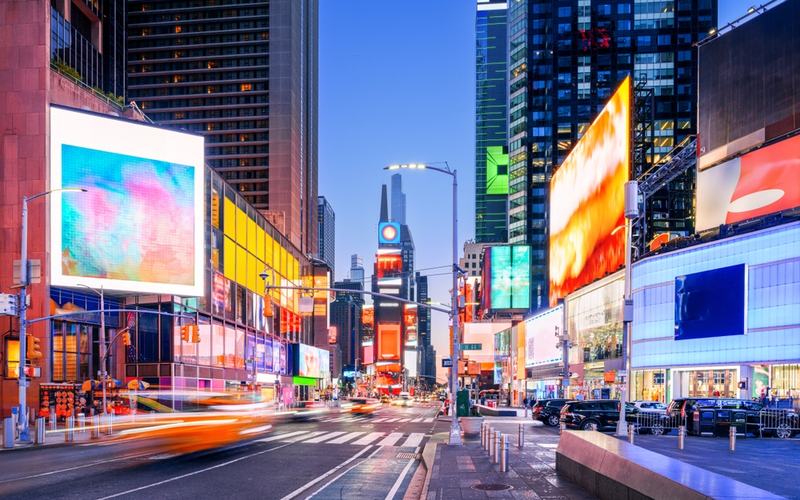
Similar dueling rallies have occurred earlier in the week, including hundreds marching from Times Square to Columbus Circle on March 1 and 2. Pro-strike rallies by Iranian-Americans and others have also drawn crowds in Times Square, highlighting divided opinions. The New York Police Department monitored the events closely, with no widespread disruptions reported by evening.
Saturday's actions were part of nationwide protests in over a dozen cities, building on emergency rallies since the strikes began. Organizers vowed continued mobilization, with calls for a potential national strike. As the conflict shows no signs of abating, New York's streets have become a flashpoint for the debate over U.S. foreign policy.

Comments
No comments yet. Be the first to share your thoughts.