
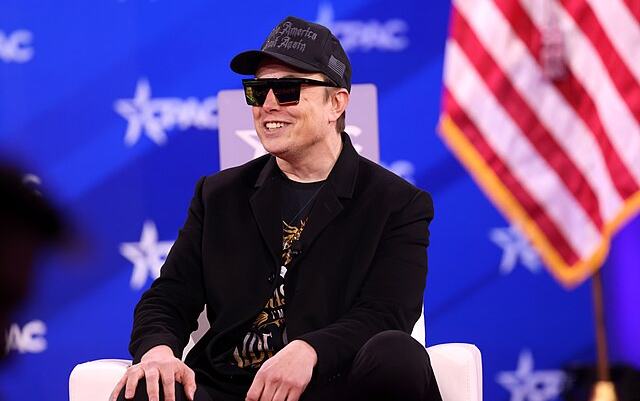
Elon Musk will not be required to sit for a deposition concerning his tenure leading the Department of Government Efficiency or his involvement in dismantling the U.S. Agency for International Development, according to a 2-1 ruling Wednesday from the U.S. Court of Appeals for the Fourth Circuit.
Prior to its closure, USAID coordinated U.S. federal programs aimed at alleviating global poverty and disease. Musk, acting with the backing of Donald Trump, terminated thousands of employees and contractors, prompting disruption of ongoing humanitarian relief operations.
Former USAID personnel have alleged that Musk’s actions in shuttering the agency were illegal and have sought depositions to obtain insight into decisions affecting the agency’s headquarters and operations, including the shutdown of its website.
Circuit Judge Roger Gregory dissented from the majority opinion, arguing that Musk and two other targeted officials were the only sources capable of providing relevant information about the closures.
“Defendants do not even attempt to suggest adequate substitutes for their depositions,” Gregory wrote in his dissent.
The ruling prevents Musk from being questioned directly in the ongoing litigation, though the case continues as former USAID employees pursue claims related to the agency’s abrupt dismantling and the impact on U.S.-funded international aid programs.

.jpg)
Comments
No comments yet. Be the first to share your thoughts.