
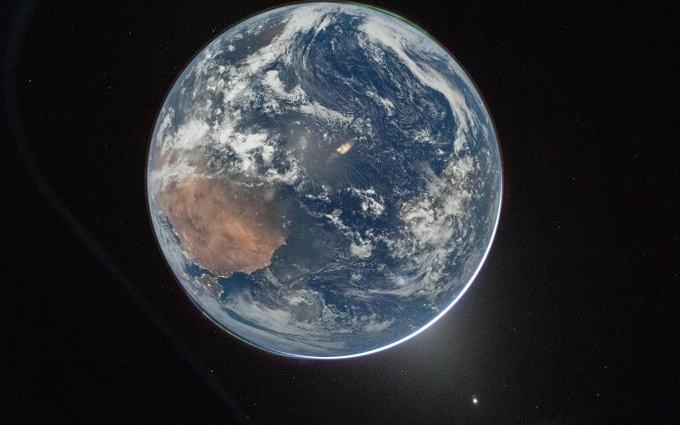
NASA released the first images captured by astronauts aboard the Orion spacecraft during the Artemis II mission on Friday morning, showcasing breathtaking views of Earth from deep space.
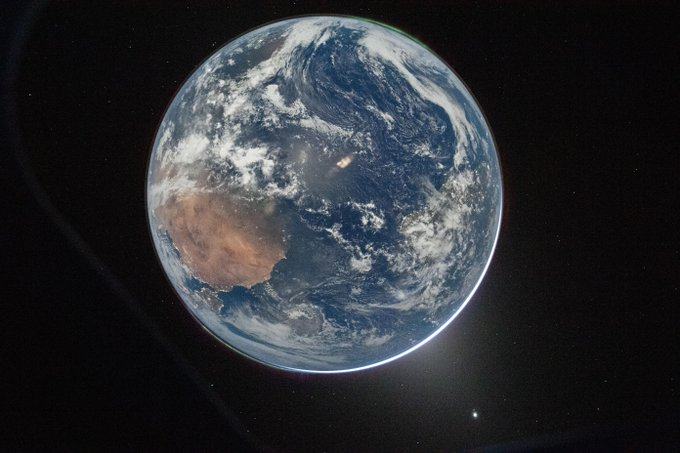
Artemis II Commander Reid Wiseman took one standout photograph through the spacecraft's window shortly after the crew completed their translunar injection burn on Thursday. The image depicts a full disk of Earth, featuring two auroras in the top right and bottom left, along with zodiacal light in the bottom right as Earth eclipses the Sun. NASA captioned it "Hello, World," marking the inaugural downlinked photo from the astronauts.
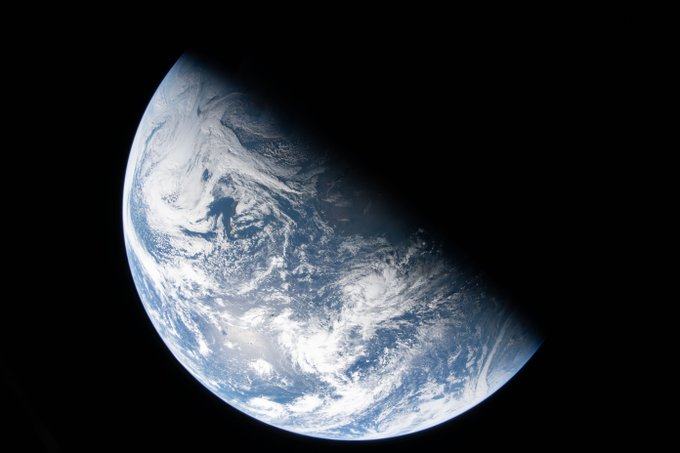
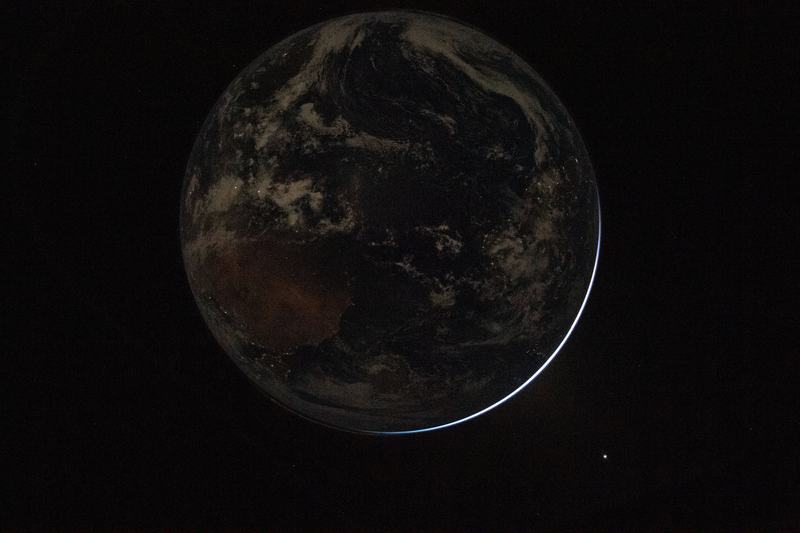
Another image shows a pale blue Earth against the blackness of space, described by mission control as a reminder that humanity remains connected no matter the distance traveled. A third view captured a crescent Earth using a solar array camera on the first flight day.
The four-person crew, Wiseman, pilot Victor Glover, mission specialists Christina Koch, and Canadian Space Agency astronaut Jeremy Hansen, launched aboard the Space Launch System rocket and Orion spacecraft from Launch Pad 39B at Kennedy Space Center in Florida on Wednesday, April 1, at 6:35 p.m. EDT. This marks NASA's first crewed lunar mission since Apollo 17 in 1972.
Following launch, Orion deployed its solar arrays, entered an elliptical Earth orbit, and performed system checkouts in high Earth orbit about 46,000 miles above the planet. The crew separated from the interim cryogenic propulsion stage, conducted a manual piloting demo, and released four CubeSats before the critical translunar injection burn on Thursday evening. That six-minute engine firing propelled Orion onto its outbound trajectory toward the Moon.
Crew members expressed awe at the vistas. Koch described seeing Earth lit by the Moon and sunset, while Hansen noted the dark side illuminated by lunar light. Wiseman recalled viewing the full globe from pole to pole, including Africa, Europe, and northern lights, and mentioned the windows needed cleaning from heavy use. The team even delayed their first meal to document the scenes.
The 10-day mission will not land on the Moon but will fly around it, passing as close as 52 miles during a flyby planned for Sunday, April 6. Astronauts will photograph the lunar surface, including the far side, before returning for a splashdown in the Pacific Ocean off San Diego. Communications now rely on NASA's Deep Space Network as Orion ventures farther from home.
NASA officials provided updates during a news conference on Thursday, confirming all systems are nominal. Flight Day 2 activities included exercise sessions on Orion's flywheel device. More images and live views are available on NASA's Artemis II multimedia page.

Comments
No comments yet. Be the first to share your thoughts.