
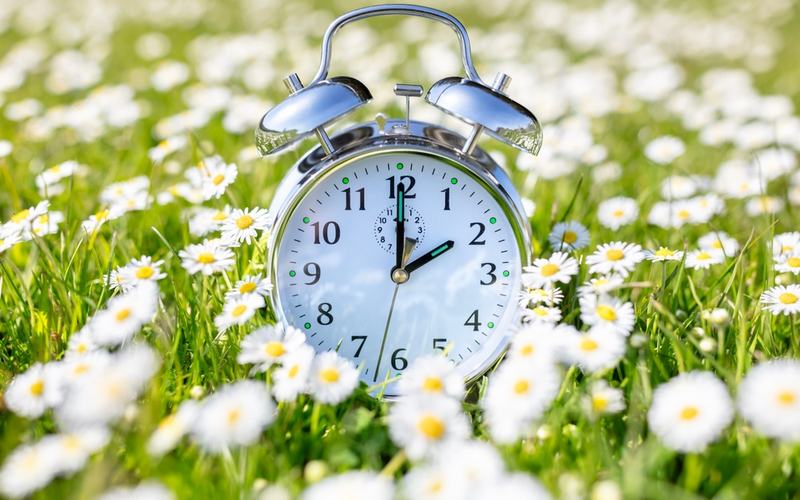
California Republican Senator Roger Niello has introduced legislation, SB 1413/SB 51, to end daylight saving time and place the state on permanent standard time. The proposal follows a 2018 voter-approved measure granting the legislature authority to act on the issue.
Supporters of the bill point to widespread public health and safety risks tied to the twice-yearly time shifts. Heart attacks and strokes increase in the days following the spring shift, traffic accidents rise as drivers struggle with sleep disruption, workplace injuries spike, and emergency rooms report higher patient loads. Experts attribute these effects to disruptions in natural circadian rhythms, as sudden shifts mimic the physiological stress of rapid travel across time zones.
The economic cost of lost productivity and increased accidents adds another layer of concern. Critics of daylight saving time argue that the trade-off, slightly longer winter daylight in exchange for predictable health and safety risks, is not worth it.
Currently, only Hawaii and Arizona do not observe daylight saving time, leaving California one of the many states still following the twice-yearly clock changes. Niello’s legislation emphasizes aligning the state’s schedule with natural biological cycles, citing improved health, safety, and economic efficiency.
If enacted, California would join a small group of states rejecting the federal tradition of biannual clock changes, which opponents have long criticized as outdated, unnecessary, and costly to Americans.

Comments
No comments yet. Be the first to share your thoughts.