
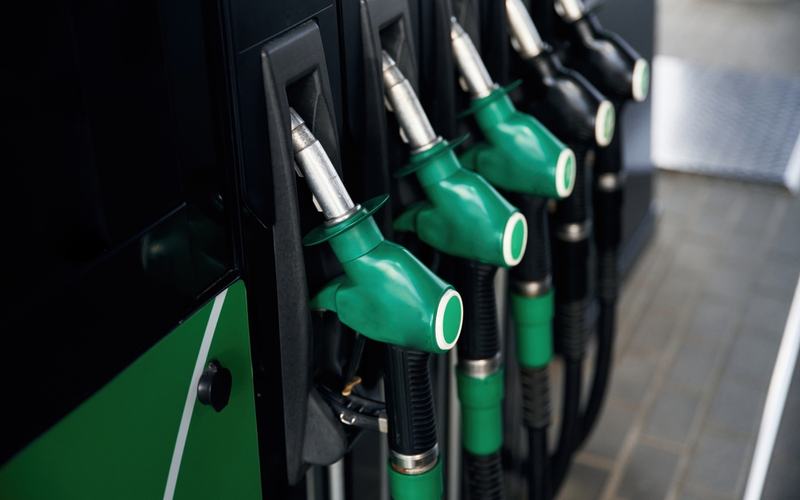
California drivers are seeing higher fuel costs as the state imports growing volumes of gasoline from overseas, including record shipments routed through the Bahamas, amid continued refinery shutdowns.
The average price for regular gasoline in California now stands at $4.59 per gallon, up from $4.21 last month, according to the American Automobile Association.
Recent refinery closures have tightened supply. Valero’s Benicia refinery, a major Northern California supplier, is winding down operations, following the shutdown of Phillips 66’s Los Angeles refinery. The closures have reduced California’s ability to produce its own gasoline, increasing reliance on imports.
Data cited by Cal Matters shows a dramatic shift over decades. In 1982, California imported roughly 6 percent of its gasoline from foreign sources. By last fall, that figure had risen to 64 percent. Meanwhile, the gap between California’s fuel prices and the national average has widened significantly. In 2000, the state’s gasoline cost about $0.25 more per gallon than the U.S. average; by 2025, that difference had grown to $1.50, according to research from UC Davis.
A substantial share of recent imports has come through the Bahamas. According to reporting by Bloomberg, gasoline refined on the U.S. Gulf Coast is shipped to the Bahamas and then re-exported to California on foreign-flagged vessels. The routing strategy is used to navigate requirements under the Jones Act, which mandates that goods transported between U.S. ports travel on American-built and operated ships, vessels that are limited in number and costly to charter.
Energy analysts say the workaround has become a regular feature of California’s fuel supply chain as refinery retirements and maintenance outages continue.
The situation stands in contrast to the state’s resource base. According to the Institute for Energy Research, California ranked eighth nationally in crude oil production as of 2024 and holds an estimated 1.7 billion barrels in proven reserves. Other estimates suggest significantly larger untapped potential.
Business and policy analysts have argued that regulatory reforms, including revisiting production limits and pipeline restrictions, could help stabilize supply and moderate price volatility. For now, however, reduced refining capacity and reliance on complex import routes are contributing to sustained pressure on fuel costs for the state’s nearly 40 million residents.

Comments
No comments yet. Be the first to share your thoughts.