
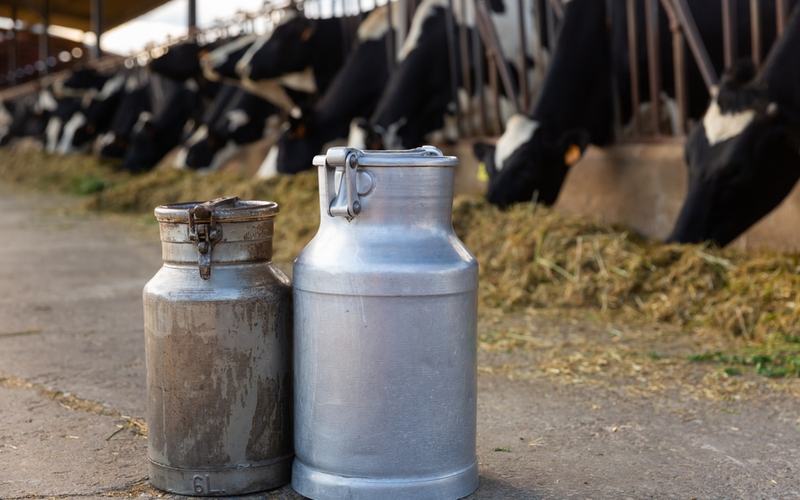
A California-based dairy producer has announced a voluntary recall of several raw cheddar cheese products as federal health officials continue investigating an E. coli outbreak linked to its goods.
Raw Farm, located in Fresno, said Thursday it is recalling more than half a dozen varieties of raw milk cheddar cheese with expiration dates ranging from May through September 2026. The company said the recall applies only to its cheddar products and does not include other items in its lineup.
The Food and Drug Administration began investigating the outbreak last month after identifying multiple cases of E. coli infection among individuals who reported consuming Raw Farm products. According to the agency, at least nine people, including children, have fallen ill. Of the eight individuals interviewed, seven said they had consumed products from the company.
Federal officials said genetic sequencing of the bacteria indicates the cases are closely related, suggesting a common source of infection. Despite the investigation, the FDA reported that testing conducted so far has not detected E. coli in samples from the company’s products.
Raw Farm initially resisted calls for a recall but said it is now acting voluntarily “under protest” while working with regulators. The FDA has the authority to mandate recalls if a product poses a serious health risk, though companies are typically allowed to comply voluntarily first.
The situation comes as interest in raw milk products has grown in recent years, driven in part by social media trends and advocacy from figures aligned with the Make America Healthy Again movement led by Health Secretary Robert F. Kennedy Jr. Raw milk is not pasteurized, meaning it does not undergo the heat treatment used to eliminate harmful bacteria such as E. coli, salmonella, and listeria.
Federal law prohibits the interstate sale of unpasteurized milk for human consumption, though state regulations vary widely. Some states allow retail sales, while others restrict purchases to farms or permit alternative arrangements such as cow-share programs.
Health officials continue to monitor the outbreak as the recall moves forward and additional testing is conducted.

Comments
No comments yet. Be the first to share your thoughts.