
Transport Canada certified Gulfstream Aerospace's G700 and G800 business jets on Monday, completing approvals for all four models at the center of a recent U.S. tariff dispute. The move follows U.S. President Donald Trump's January threat to decertify Canadian aircraft and impose 50% tariffs unless Canada greenlit the jets.
The certifications mark the resolution of a spat that escalated trade tensions between the neighboring countries. Trump posted on social media on January 29 that Canada had "wrongfully, illegally, and steadfastly refused" to certify the G500, G600, G700, and G800 models from the Savannah, Georgia-based Gulfstream, a unit of General Dynamics Corp. He warned: "If, for any reason, this situation is not immediately corrected, I am going to charge Canada a 50% Tariff on any Aircraft sold into the United States of America."
Transport Canada had already approved the smaller G500 and G600 jets on February 15. The latest approvals appeared in the department's National Aeronautical Product Approval database on February 24, less than a month after Trump's post.
Delays in certification stemmed partly from safety concerns over fuel icing conditions, which prompted the U.S. Federal Aviation Administration to grant conditional approval for the G700 and G800 in 2024. Gulfstream must demonstrate proper function in icy fuel systems by the end of 2026. Aviation experts emphasized that certifications should prioritize safety over politics.
Canadian Transport Minister Steven MacKinnon stated the approvals resulted from ongoing applications, not U.S. pressure. "There were applications in. They were at various stages," he told reporters. A Gulfstream spokesperson noted the company was working with regulators and was optimistic about progress.
The dispute pitted Gulfstream against Canadian rival Bombardier, whose Global series competes in the luxury jet market. Trump specifically called out Bombardier's Global Express jets for potential decertification, though White House officials later clarified threats targeted new aircraft only. Over 5,400 Canadian-made planes operate in the U.S., underscoring the stakes.
U.S. Department of Transportation spokesman Nate Sizemore affirmed: "The President was clear: fair trade matters in every sector, including aviation." The episode is one of several provocations from Trump since retaking office in January 2025, including threats over a Detroit-Windsor bridge.
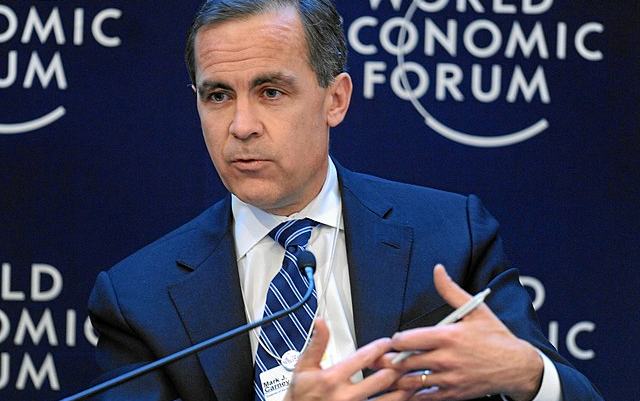
Prime Minister Mark Carney has pushed back against such tactics, declaring in Davos that the U.S.-led global trade order has ended. For now, the certifications avert immediate tariffs on Canadian aerospace exports, preserving access to the vital U.S. market where Bombardier employs thousands and sources much content.
Industry leaders expressed relief, though concerns linger about politicizing aviation safety. With strong demand for private jets, both companies maintain order backlogs unaffected by the row.


Comments
No comments yet. Be the first to share your thoughts.