
Scientists in China have developed an experimental method that uses mosquitoes as carriers to deliver vaccines to animals, an approach intended to reduce the spread of dangerous viruses but one that is also drawing scrutiny over potential safety and ethical concerns. The research was conducted by a team at the Chinese Academy of Sciences and published March 11 in the peer-reviewed journal Science Advances.
The study focused on immunizing bats, which are known reservoirs for a range of zoonotic diseases, including rabies and Nipah virus. Rabies is nearly always fatal once symptoms appear in humans, while the Nipah virus carries a high mortality rate and has been linked to outbreaks in parts of Asia. Researchers said vaccinating wild bat populations could help limit transmission of these diseases to humans and livestock.
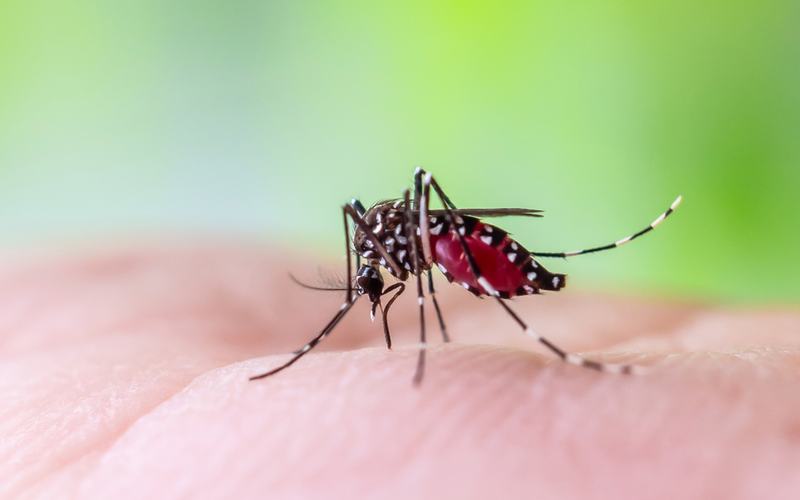
To address the logistical challenges of vaccinating large and widely dispersed bat populations, the team engineered a vaccine using a weakened vesicular stomatitis virus capable of infecting both insects and mammals. Laboratory mosquitoes, specifically the Aedes aegypti species, were fed blood containing the vaccine. Researchers later found the vaccine persisted in the insects, including in their salivary glands, allowing it to be transmitted through bites.
In controlled experiments, the vaccine-carrying mosquitoes successfully delivered the treatment to bats and rodents, producing an immune response. The researchers described the method as a potentially scalable solution for disease control in wildlife populations, where traditional vaccination methods are often impractical.
However, outside experts have raised concerns about the broader implications of such technology. Critics note that mosquitoes do not exclusively target specific species and could bite humans or other animals, raising the possibility of unintended exposure. Questions have also been raised about consent and the ethics of deploying a system that could indirectly administer biological agents without individuals’ knowledge.
The concept of using mosquitoes for vaccine delivery has been explored in other research settings as well, including efforts supported by institutions in Europe. Proponents argue that if refined, the method could help prevent future outbreaks by targeting diseases at their source in animal populations.
At the same time, scientists and public health experts caution that significant hurdles remain before such an approach could be considered for real-world use, including safety validation, ecological impact assessments, and regulatory oversight.

Comments
No comments yet. Be the first to share your thoughts.