
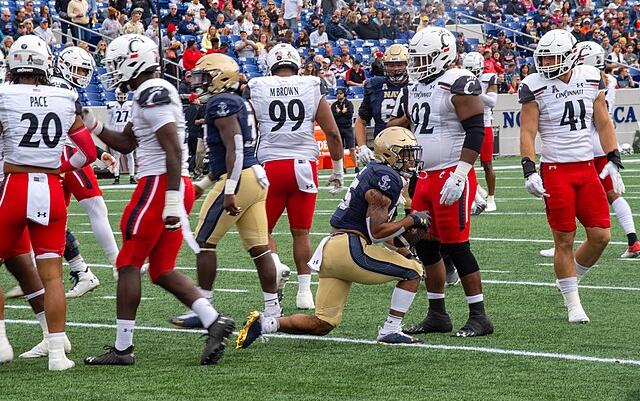
The University of Cincinnati has filed a lawsuit against former quarterback Brendan Sorsby, claiming he breached his name, image, and likeness (NIL) contract by failing to pay a $1 million buyout after transferring to Texas Tech in January.
The complaint, filed in the U.S. District Court for the Southern District of Ohio, alleges Sorsby did not pay the required buyout within 30 days of departing the program, as stipulated in his July 2025 NIL agreement. Under that deal, Sorsby committed to remain with the Bearcats for the 2025 and 2026 seasons.
In a statement, Cincinnati Athletics said it intends to enforce the terms of the agreement.
“Cincinnati Athletics is proud to partner with its student-athletes and honors the contractual commitments it makes to them. We expect student-athletes and their representatives to do the same,” the university said. “In his lucrative NIL agreement with Cincinnati Athletics, Brendan Sorsby committed to stay and play for two seasons as a proud Bearcat representative. He also agreed that if he left the university before that time, he would pay the university a specific amount for the substantial harm that his breach would cause.”
Sorsby entered the transfer portal in December after a 2025 season in which he threw for 2,800 yards, 27 touchdowns, and five interceptions, while adding 580 rushing yards and nine rushing scores. He later announced his commitment to Texas Tech.
In his departure statement, Sorsby thanked the Cincinnati coaching staff and teammates, saying he made the decision after “a lot of prayer and thoughtful consideration.”
His agent, Ron Slavin, told The Associated Press that Sorsby plans to contest the lawsuit. Slavin said the quarterback received $875,800 from Cincinnati under the NIL deal and argued that Sorsby generated significantly more value for the program during his time there.
“The money the university seeks to recover from him is nothing more than an unlawful penalty under Ohio law,” Slavin said, adding that the separation was mutually agreeable.
The case marks another high-profile dispute over NIL contracts as colleges and athletes navigate the evolving legal framework governing compensation agreements in college athletics.

Comments
No comments yet. Be the first to share your thoughts.