
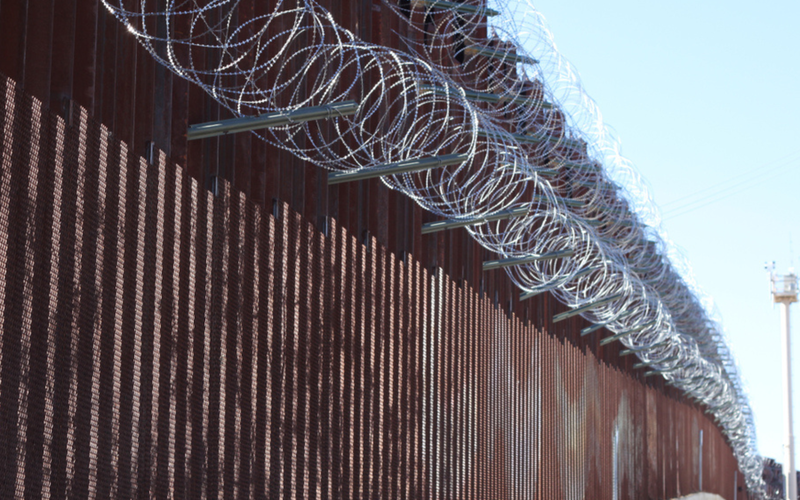
A federal judge denied a request from the Tohono O'odham Nation on Friday to halt border wall construction along its reservation in Arizona, clearing the way for the Trump administration to build 62 miles of barrier.
U.S. District Judge Richard Leon in Washington, D.C., ruled that the tribe had not shown the project would improperly alter reservation boundaries without congressional approval. The decision rejected the tribe's bid for an injunction against work on its 2.8-million-acre land.
The ruling centers on a 1907 proclamation by President Theodore Roosevelt that established a 60-foot strip along the border as a federal reservation, known as the Roosevelt Reservation. Judge Leon determined that this easement permits the federal government to use the land for the wall without violating tribal rights.
The Tohono O'odham Nation had argued that construction would require its consent and could fragment its territory. The tribe's reservation spans the U.S.-Mexico border in southern Arizona.
"ANY construction-related activities to the illegal and destructive border wall be warned, informed of trespass and escorted off the Nation's land by law enforcement," the tribe wrote on its Facebook page on Aug. 8.
Shortly after the judge's ruling, the Tohono O'odham Nation released a public statement saying that there is a “responsibility to fight for our people, our sovereign rights as a nation, and the lands we have inhabited since time immemorial.”
They said that efforts will continue to push for common-sense border solutions that provide security without destroying the Tohono O'odham Nation's heritage and natural environment.
Construction plans target segments near the international boundary to deter illegal crossings and smuggling.
The Trump administration’s border wall projects have faced repeated legal challenges from tribes and environmental groups; however, Friday’s ruling will be marked as a significant victory for the president.
Customs and Border Protection has emphasized the need for physical barriers combined with technology in remote sectors, saying the 62-mile project aligns with broader administration priorities to complete barriers funded through recent legislation.
The Tohono O'odham Nation may appeal the decision.

Comments
No comments yet. Be the first to share your thoughts.