
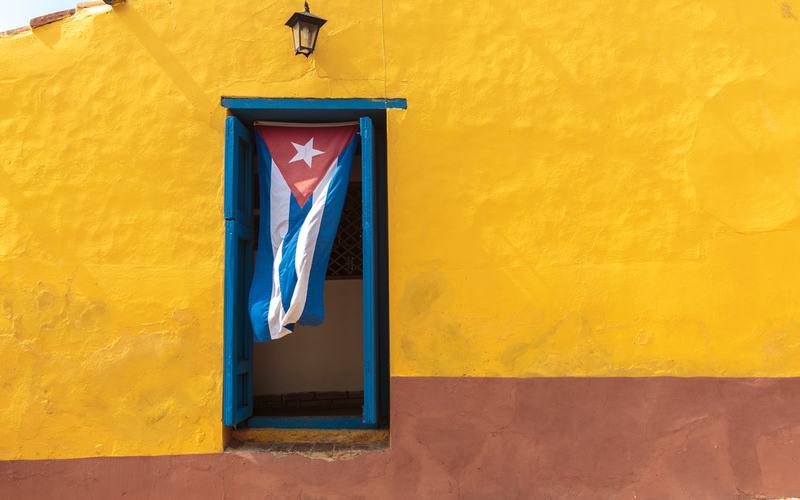
Cuban officials have petitioned the Holy See to act as an intermediary with the United States, hoping to secure relief from U.S. pressure and address a growing energy crisis that has plunged the island into rolling blackouts and economic strain.
The crisis stems from a late‑January U.S. executive order designating Cuba as an “unusual and extraordinary threat” and imposing a tariff on any nation that supplies or sells oil to the country. The policy, combined with the cutoff of Venezuelan oil exports after the U.S. ousted that country’s president earlier this year, has severely limited Cuba’s access to fuel.
In recent weeks, senior Cuban diplomats, including Foreign Minister Bruno Rodríguez, have held high‑level meetings with Vatican officials, among them Pope Leo XIV and Cardinal Pietro Parolin, seeking the Vatican’s help in negotiating with Washington. The outreach reflects Havana’s recognition of the Church’s influence with both Cuban citizens and international actors.
U.S. representatives, including Mike Hammer, senior diplomat at the U.S. Embassy in Havana, and Brian Burch, ambassador to the Holy See, have also engaged with Latin American diplomats at the Vatican to discuss how to leverage the Church in support of the Cuban people’s “desire for economic opportunity and freedom,” according to reports.
Officials familiar with the discussions say Hammer has warned that the Cuban regime could collapse “in a matter of days” if current conditions persist. The Vatican, for its part, is said to favor a less disruptive resolution than the escalation seen in Venezuela following Washington’s arrest of that country’s leader.
The U.S. State Department has pushed back on claims that new restrictions are causing the fuel shortage, stating that humanitarian organizations, including Church groups, are free to import fuel as long as regime‑affiliated parties are not involved. The department attributes the crisis to the loss of Venezuelan subsidies to Cuba, which it labels an “illegitimate criminal organization.”
A State Department spokesperson emphasized the Church’s role as an “important pillar” for Cubans and noted longstanding cooperation with the U.S. on humanitarian aid and prisoner releases. Cuba has already released 51 prisoners as a gesture of goodwill toward the Vatican, and is now looking to the Holy See to outline minimal concessions that might persuade the U.S. to ease pressure.
The deepening energy crisis has had tangible effects on daily life in Cuba, disrupting transportation, medical services, and basic deliveries, with some aid reportedly being transported by donkeys due to fuel shortages. Observers say the island is facing one of its most acute crises in recent memory, underscoring the strategic and humanitarian dimensions of the diplomatic push involving the Vatican.
Overall, Cuba’s appeal to the Vatican highlights the regime’s desperation to secure relief from U.S. sanctions while projecting an image of cooperation with influential international institutions amid mounting internal and external pressures.

Comments
No comments yet. Be the first to share your thoughts.