
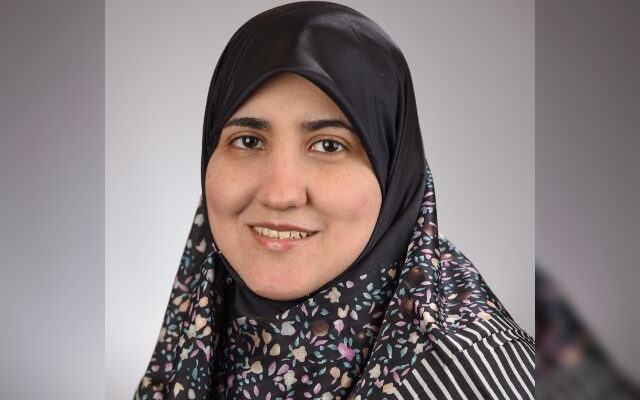
Fatemeh Ardeshir-Larijani, the daughter of senior Iranian official Ali Larijani, has left the United States and has been barred from reentry after losing her position at Emory University earlier this year.
Ardeshir-Larijani, who served as an assistant professor, was removed from her post in January following public backlash tied to the Iranian regime’s crackdown on protestors. Her husband, Seyed Kalantar Motamedi, has also been barred from returning to the U.S., according to reports.
Her father, a longtime figure within Iran’s leadership and a close confidant of Ali Khamenei, was killed in a U.S. airstrike amid escalating conflict. He was later briefly viewed as a leading figure within the regime before being killed in a subsequent Israeli strike, along with other senior officials, including his son.
U.S. authorities revoked the legal status of Ardeshir-Larijani and her husband as part of a broader crackdown targeting individuals with ties to Iran’s leadership and the Islamic Revolutionary Guard Corps, which the U.S. government designates as a terrorist organization.
Her removal from Emory followed significant public pressure, including a petition that drew more than 100,000 signatures and protests outside university facilities. Critics argued that individuals connected to hostile regimes should not be permitted to work within major American institutions.
The controversy also drew attention to Winship Cancer Institute, where Ardeshir-Larijani had been involved in research and clinical work. The institute is widely recognized for its cancer treatment and research programs.
Rep. Earl Carter publicly called for her dismissal and the revocation of her medical credentials, arguing that her presence in the U.S. posed a national security concern.
Ardeshir-Larijani reportedly obtained a green card in 2021. Prior to that, the U.S. Treasury Department had sanctioned her father, accusing him of supporting violent responses to protests and participating in financial networks that diverted national resources.
The case underscores broader tensions surrounding U.S. immigration policy, national security concerns, and the presence of individuals with ties to foreign adversarial governments.

Comments
No comments yet. Be the first to share your thoughts.