
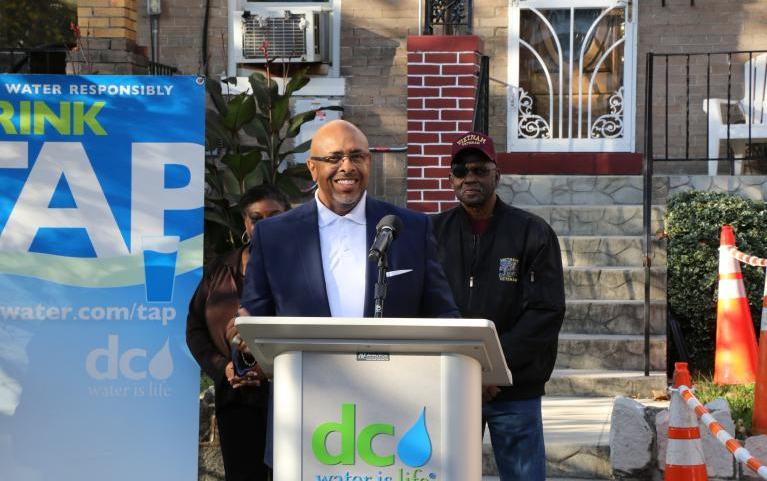
David L. Gadis, CEO of the District of Columbia Water and Sewer Authority (DC Water), is facing renewed scrutiny following what officials describe as one of the largest sewage spills in U.S. history, an incident that unfolded as the utility directed hundreds of millions of dollars toward diversity-focused contracting programs.
The spill began nearly a month ago, ultimately releasing an estimated 300 million gallons of bacteria-contaminated sewage into a local river. On Feb. 9, DC Water acknowledged it had significantly understated E. coli contamination levels, reportedly minimizing the scale of pollution by more than 100 times in earlier reporting.
President Donald Trump called the contamination a “massive ecological disaster,” attributing the crisis to what he described as gross mismanagement by local Democratic leadership and directing federal authorities to intervene.
Under Gadis’ leadership, DC Water expanded diversity, equity, and inclusion (DEI) initiatives, including “Fair Share Objectives” aimed at increasing participation from disadvantaged, minority-, and women-owned business enterprises. According to January 2025 board minutes, such enterprises received 38.65% of total contract awards in fiscal year 2024 approximately $520 million out of nearly $1.33 billion.
The utility also established a Business Diversity and Inclusion Advisory Council and implemented bidding preferences on projects exceeding $1 million. Its amended Business Development Plan allows preferred contractors to avoid penalties for missing participation goals if they demonstrate “good faith” efforts.
The Environmental Protection Agency suspended its Fair Share objectives in April following pressure from the Trump administration, though DC Water’s public materials continue to reference multi-year diversity targets.
Gadis previously served as an executive at Veolia North America and was named in litigation tied to the Flint water crisis. Court filings cited internal communications suggesting company officials were aware of potential lead contamination concerns before publicly downplaying risks. Veolia later contributed $79.3 million toward settlements while maintaining that it stood by its work. A 2022 trial ended in a mistrial without adverse findings.
Before Gadis’ arrival in 2018, DC Water had been regarded as a model utility within the water sector. He has stated publicly that he sought to elevate the authority further by integrating “community equity considerations” into infrastructure planning, including its Lead-Free DC initiative.

Comments
No comments yet. Be the first to share your thoughts.