
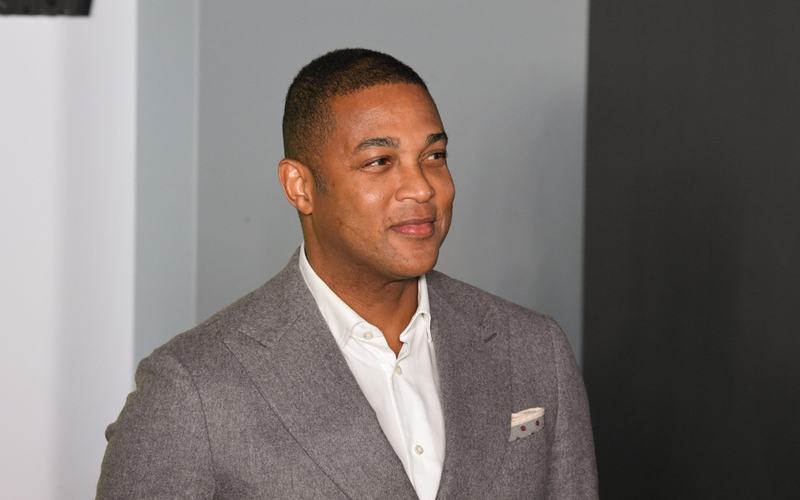
Don Lemon is facing a civil lawsuit stemming from a January incident in which demonstrators entered Cities Church in St. Paul, Minnesota, during a worship service amid protests over federal immigration enforcement actions.
According to a complaint reported by TMZ, Ann Doucette alleges that Lemon and others caused “severe emotional distress, fear, anxiety, and trauma” when they disrupted the Jan. 18 service. The lawsuit further claims that Lemon “appeared to take satisfaction in the disruption.”
The protest occurred during demonstrations in Minneapolis–St. Paul's area is related to Immigration and Customs Enforcement operations. The unrest followed a Jan. 7 fatal shooting involving 37-year-old anti-ICE activist Renee Good. Authorities said Good was shot after allegedly attempting to interfere with an ICE operation and reportedly trying to run over a federal officer with her vehicle.
Protesters who entered the church reportedly stated they intended to confront a pastor believed to have cooperated with ICE. The lawsuit contends that the disruption violated the rights of congregants and created panic among attendees, including families with children.
Lemon was arrested following the incident and charged with conspiracy to deprive rights and interfering with individuals’ First Amendment rights. Federal authorities also cited alleged violations of the Freedom of Access to Clinic Entrances Act and provisions of the Ku Klux Klan Act. The case is being handled by the Justice Department.
The arrest comes as federal officials have signaled a heightened focus on prosecuting individuals accused of interfering with constitutionally protected activities, including religious worship. President Donald Trump has publicly emphasized law-and-order enforcement priorities, and the Justice Department has indicated it will pursue cases involving alleged civil rights violations.
Doucette’s lawsuit seeks damages for emotional harm and related claims. As of now, Lemon has not publicly responded in court filings to the civil complaint. The case adds a new legal dimension to the fallout from the January church disruption, which drew national attention amid broader debates over immigration enforcement and protest tactics.

Comments
No comments yet. Be the first to share your thoughts.