
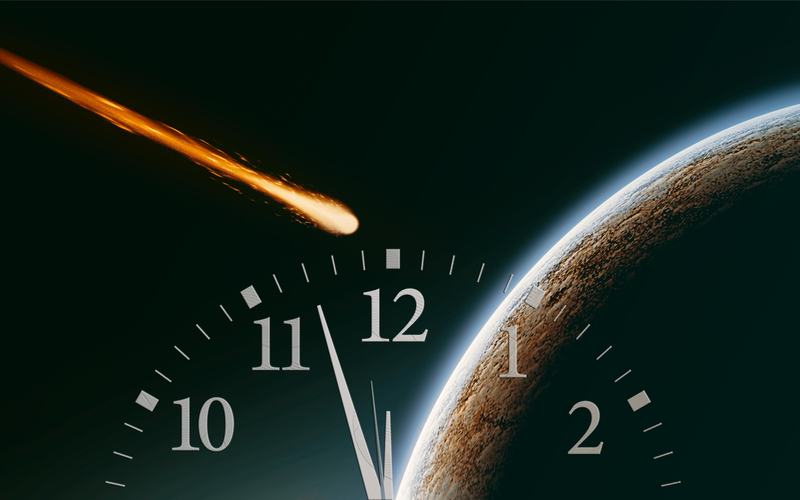
The “Doomsday Clock” has moved to 85 seconds to midnight, the closest it has ever been. Last year's clock was 89 seconds to midnight. The Doomsday Clock is managed by the Bulletin of the Atomic Scientists, the symbolic clock represents the world’s vulnerability to catastrophic threats, including nuclear war, climate change, and disruptive technologies. The adjustment reflects escalating global tensions, nuclear proliferation concerns, and insufficient action on climate and emerging technologies, signaling that humanity is closer than ever to potential disaster.
The Bulletin specifically cited rising hostilities among nuclear-armed nations, a breakdown in arms control agreements, and the growing risk of cyber warfare and disinformation campaigns as factors pushing the clock closer to midnight. Climate-related disasters, from extreme heatwaves to rising sea levels, were also noted as intensifying global instability and threatening human survival. Emerging technologies like artificial intelligence and biotechnology, if mismanaged, add another layer of existential risk, according to the group.
The Bulletin urges global leaders to collaborate and implement solutions that address both short-term crises and long-term existential threats, warning that delays could make catastrophic outcomes increasingly inevitable.
The decision also serves as a reminder to citizens, scientists, and policymakers alike that preparedness and proactive policy measures are essential. While the clock measures threats on a global scale, local and national policies on nuclear safety, energy transition, and technology governance will collectively determine whether humanity can avert disaster or inch closer to midnight in the coming years.

Comments
No comments yet. Be the first to share your thoughts.