
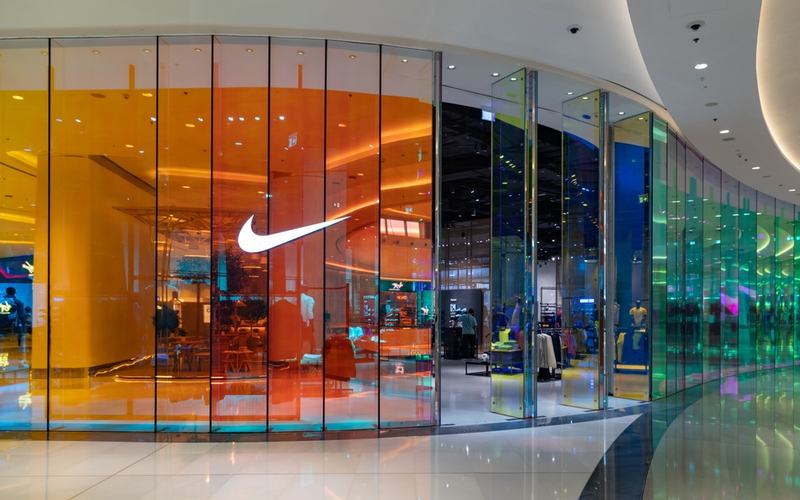
The EEOC has petitioned a federal district court in Missouri to enforce a subpoena against Nike over alleged racial discrimination against white employees. The petition, filed in U.S. District Court by EEOC regional attorney Andrea G. Baran, claims Nike has failed to provide information responsive to the agency’s investigation.
EEOC Chair Andrea Lucas, who filed the initial claims, alleges that since at least 2020, Nike has engaged in a “pattern or practice of disparate treatment against White employees,” citing training programs, hiring decisions, layoffs, internships, and mentoring opportunities. The petition also highlights Nike’s use of “race-based workforce representation quotas” as part of its diversity, equity, and inclusion (DEI) initiatives.
The EEOC requested documents related to the company’s “Diverse Slates” program, which aims to provide more diverse candidates for interviews. The agency asserts that Nike provided only partial information, stating it is not currently using the initiative, which the EEOC says does not comply with the subpoena.
Nike called the EEOC’s escalation “surprising and unusual” but emphasized that it has engaged in “extensive, good-faith participation” with the agency, producing thousands of pages of information and continuing to provide additional responses. The company may argue that some requested materials are trade secrets, overbroad, or unduly burdensome.
The case has been assigned to U.S. District Judge Cristian Stevens, a Trump nominee, reflecting an ongoing effort by the Biden-era EEOC under Lucas, who Trump nominated and promoted to chair, to enforce workplace discrimination protections while simultaneously operating under a broader Trump administration push to challenge DEI programs viewed as discriminatory against white employees.
Nike’s corporate workforce was 57% white in fiscal year 2024, with 64% of executives at the director level or above identifying as white. The company’s DEI efforts date back to at least 2018, when internal memos acknowledged a need to improve representation of women and people of color, and later included initiatives in response to employee concerns during the Black Lives Matter movement.
Lucas has publicly encouraged white men who believe they have faced workplace discrimination to come forward and file claims, emphasizing that federal civil rights protections cover all racial groups.
The outcome of the court proceedings could have broader implications for corporate DEI programs and the treatment of employees in sectors ranging from sports to professional services, as the EEOC continues to scrutinize whether such initiatives create disparate impacts on white workers.

Comments
No comments yet. Be the first to share your thoughts.