
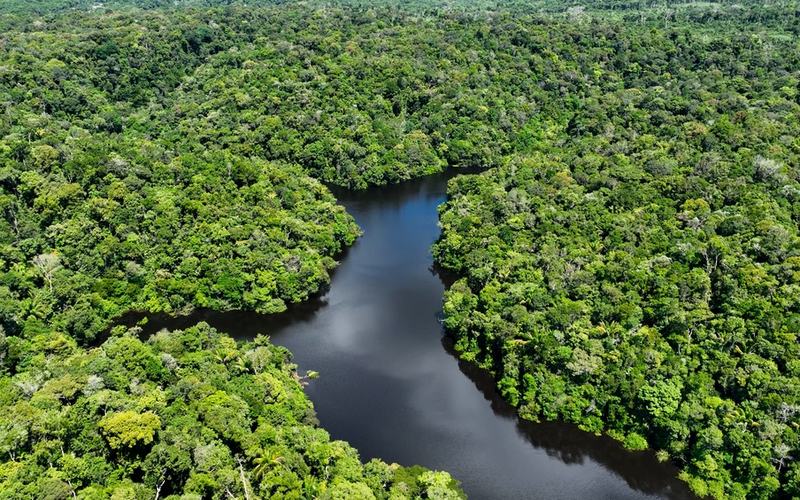
A new study published this week revealed that carbon emissions from 2024 wildfires in Brazil's Amazon and Cerrado regions were up to three times higher than previously estimated, underscoring the forest's vulnerability to fires. Researchers used artificial intelligence and satellite data from Europe's Sentinel missions to analyze prolonged smoldering during the intense August-September 2024 season, the worst in 20 years. The findings, centered near the Brazil-Bolivia border, highlight gaps in traditional emission models and their implications for global climate budgets.
Despite this sobering assessment of past events, Brazil has made strides in curbing fires. In 2025, the burned area across biomes dropped 39% from the 2017-2024 average, with the Amazon seeing a 75% reduction. Deforestation alerts also hit record lows into early 2026, down 35% from the prior period. Environment Minister Marina Silva credited enhanced enforcement, municipal partnerships, and Amazon Fund resources.
Early 2026 data shows mixed signals. January fire foci in Amazonas state plunged 70% from the year before, the lowest since 2012. However, February brought 873 active fires across the Brazilian Amazon, a 119% increase over February 2025, though down 58% from January 2026. Year-to-date through late March, the Amazon biome tallied 3,871 fire detections, down 43% from comparable prior periods, while national totals stood slightly above historical averages.
On March 4, the government responded with a comprehensive prevention plan for the 2026 fire season, declaring an environmental emergency via Portaria GM/MMA nº 1,623. It deploys 4,660 firefighters across 246 brigades, backed by helicopters, water-bombing aircraft, and advanced monitoring of burned areas beyond traditional heat foci. Officials anticipate heightened risks from El Niño effects, drier conditions in the north and northeast, and irregular rains centrally starting in July.
Experts link fires to deforestation, illegal mining, and agricultural clearing, which degrade the forest and heighten flammability. While current activity remains below peak dry-season levels, the uptick reignites concerns over biodiversity loss, indigenous communities, and the Amazon's role as a carbon sink. Brazil's efforts signal progress, but sustained vigilance is essential amid climate pressures.

Comments
No comments yet. Be the first to share your thoughts.