
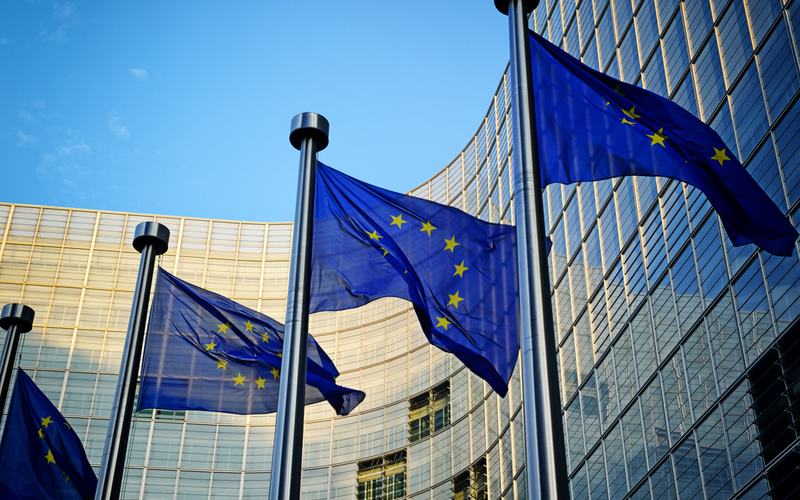
Top European Union diplomats convened in Brussels on Monday with Nikolay Mladenov, the former Bulgarian politician and U.N. envoy chosen by former President Donald Trump to lead the Board of Peace, to discuss the future of the Gaza Strip. The meeting included EU foreign policy chief Kaja Kallas and foreign ministers from across the 27-nation bloc. Discussions also covered ongoing concerns regarding Ukraine and sanctions on Russia.
Ahead of the meeting, Kallas said the EU wants to contribute to Gaza’s peace process. Afterward, she reported that Mladenov briefed diplomats on humanitarian conditions and the board’s strategy, which includes a potential EU role in stabilization and aid operations. Kallas highlighted Mladenov’s acknowledgment of the EU’s importance in contributing to Gaza.
One EU country blocked new sanctions on Israeli settlers agreed by the rest of the bloc, though Kallas did not name the nation. Plans to train Palestinian police in Gaza remain contingent on Israeli approval.
The EU maintains significant involvement in the region as the top donor to the Palestinian Authority and oversees operations at Gaza’s Rafah border crossing with Egypt. However, working with the Trump-led board has sparked debate among EU capitals, with some nations cautious about bypassing U.N. mechanisms. Hungary and Bulgaria are full board members, while Turkey, Kosovo, and Albania, as EU candidate countries, also participate. Twelve additional EU nations attended as observers at the board’s inaugural Washington meeting, including Germany, Italy, and the Netherlands.
European leaders such as French President Emmanuel Macron and European Commission President Ursula von der Leyen declined invitations to join, though von der Leyen sent European Commissioner for the Mediterranean Dubravka Šuica as an observer. French Foreign Minister Jean-Noël Barrot criticized the Commission for attending without consulting the European Council, calling the move a breach of EU rules.
The Trump-backed board’s ambitions range from governing and rebuilding Gaza to challenging the U.N. Security Council’s role in conflict resolution.

Comments
No comments yet. Be the first to share your thoughts.