
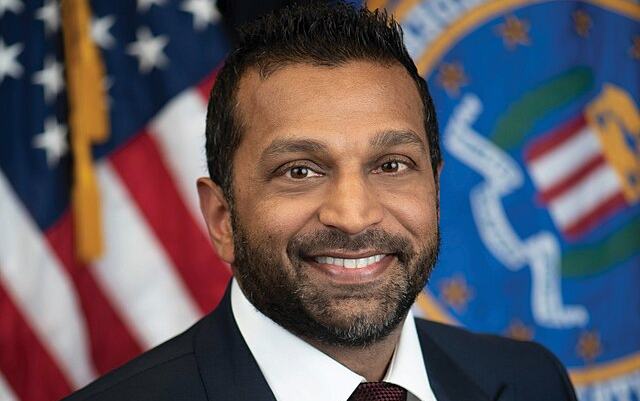
FBI Director Kash Patel filed a $250 million defamation lawsuit against The Atlantic magazine and reporter Sarah Fitzpatrick in U.S. District Court for the District of Columbia on Monday. The suit claims the outlet published false reports about his drinking habits and work absences, damaging his reputation.
The action follows The Atlantic's April 17 article titled "The FBI Director Is MIA," which cited more than two dozen anonymous sources alleging Patel's erratic behavior, including episodes of excessive drinking at private clubs in Washington, D.C., and Las Vegas, unexplained absences, and impulsive decisions. Sources described him as unreachable at times, with one incident reportedly requiring his security detail to use breaching equipment to access a locked door. The piece also criticized high staff turnover at the FBI and raised concerns about the agency's readiness amid geopolitical tensions, such as potential threats from Iran.
Patel, who dismissed the allegations as "categorically false" in the article itself, responded forcefully. "Print it, all false, I’ll see you in court, bring your checkbook," he stated through the FBI. On Sunday, appearing on Fox News with Maria Bartiromo, Patel announced the impending lawsuit, calling the report a character attack by the "fake news mafia." He vowed to prove actual malice in the reporting.
Patel was confirmed as FBI director by the Senate in a 51-49 vote on February 20, 2025, and sworn in the next day, replacing Christopher Wray. A Trump loyalist and former national security prosecutor, he has overseen significant changes at the bureau, including staff purges targeting perceived disloyalty, which supporters praise as necessary reform and critics decry as politicization.
The White House defended Patel through spokesperson Karoline Leavitt, noting plummeting crime rates and high-profile arrests under his leadership. Acting Attorney General Todd Blanche added that Patel has achieved more in 14 months than the prior administration did in four years, dismissing the story as an anonymously sourced hit piece.
The Atlantic has stood by its reporting, with sources indicating the magazine was aware of Patel's threats before publication. The lawsuit alleges the outlet knew the claims were fabricated but proceeded anyway, meeting the high bar for public figures under New York Times v. Sullivan.
Patel's tenure has drawn scrutiny amid reports of internal challenges and external pressures. President Trump has expressed some frustrations with Patel's media appearances and pace on certain investigations, but values his loyalty. Earlier rumors of his ouster were denied by the White House.
The case, filed early Monday, marks a rare legal escalation by a sitting FBI director against a major media outlet. It could test First Amendment boundaries while highlighting ongoing tensions between the Trump administration and press critics.

Comments
No comments yet. Be the first to share your thoughts.