
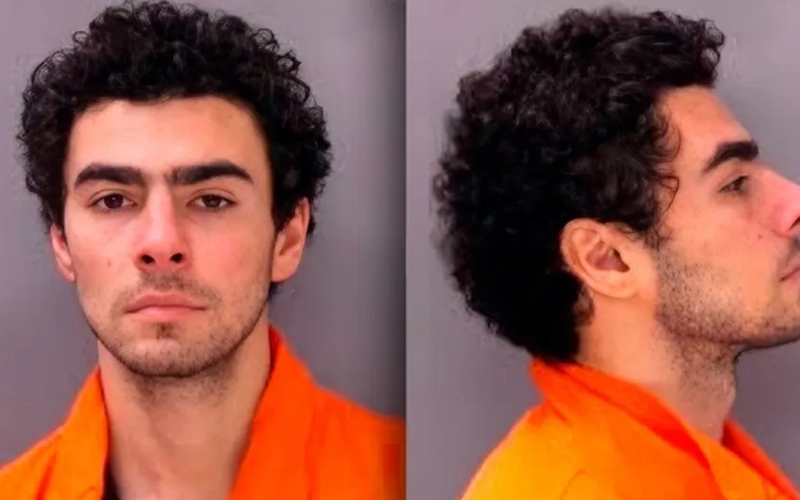
U.S. District Judge Margaret Garnett on Wednesday granted a limited delay in Mangione’s federal trial schedule while rejecting his attorneys’ request for a longer postponement into 2027.
Jury selection in the federal case will now begin Oct. 5, with opening statements and testimony scheduled for Oct. 26. The adjustment was made in light of Mangione’s separate state murder trial, which is set to begin June 8.
Mangione’s legal team had sought to push the federal trial to January or February 2027, arguing that back-to-back proceedings would violate his constitutional rights. Garnett denied that request, saying such a delay would not resolve the underlying scheduling conflict.
“There really is no way around taking into account the events in the state case,” Garnett said, adding that moving the trial into 2027 would simply shift the same issues rather than eliminate them. She described the proposal as “a little bit of a tail wagging the dog.”
The revised federal schedule is intended to avoid overlap with the state proceedings while giving the defense additional time to review potential jurors. The state case is being overseen by Gregory Carro.
Double jeopardy protections could affect the sequence of the trials, as a state case generally cannot proceed after a federal trial if a jury has already been sworn or a guilty plea entered, even when the charges differ but stem from the same alleged conduct. Mangione has argued that facing both trials amounts to “double jeopardy by any commonsense definition.”
Thompson, 50, was shot and killed on Dec. 4, 2024, while walking to a Manhattan hotel for UnitedHealth Group’s annual investor conference. Surveillance video showed a masked gunman firing from behind, and investigators said the words “delay,” “deny,” and “depose” were written on the ammunition.
Mangione, a University of Pennsylvania graduate from a Maryland family, was arrested five days later in Altoona, Pennsylvania. His defense has argued that the circumstances of his arrest and the publicity surrounding it prejudiced the case.
In January, Garnett dismissed a federal murder charge that had allowed prosecutors to seek the death penalty, as well as a gun charge, but allowed stalking charges carrying a maximum sentence of life in prison to proceed.

Comments
No comments yet. Be the first to share your thoughts.