
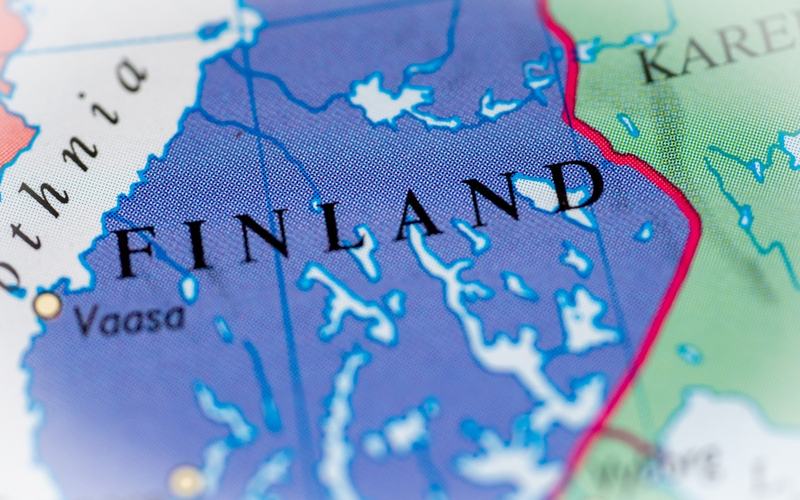
Finland's government proposed on Thursday to amend its Nuclear Energy Act, lifting a decades-old prohibition on nuclear weapons on its territory to better integrate with NATO's deterrence strategy.
The proposal, detailed in a Ministry of Defence press release, would allow the import, transport, supply, or possession of nuclear devices in Finland if linked to homeland defense, NATO's collective defense, or defense cooperation. Current law, enacted in 1987, bans the import, manufacture, possession, and detonation of nuclear explosives even during wartime. Defence Minister Antti Häkkänen stated at a press conference that the change is "necessary to enable Finland’s military defence as part of the alliance and to take full advantage of NATO’s deterrence and collective defence."
Finland abandoned military non-alignment to join NATO in April 2023, as Russia's full-scale invasion of Ukraine the previous year heightened security concerns along its 1,340-kilometer border with Russia. The Nordic country now seeks to remove legal barriers that hinder full participation in the alliance's nuclear posture, where the United States maintains nuclear weapons in several European members like Germany, Belgium, and Italy.
Officials emphasized that no permanent deployment of nuclear weapons is planned in peacetime, and NATO has no such intentions for Finland. The amendments would preserve bans on manufacturing or detonating nuclear devices and criminalize related terrorist acts. The draft bill is open for public comments until April 2, after which it heads to parliament, where the right-wing coalition holds a majority and supports the measure.
Russia responded swiftly on Friday, with Kremlin spokesman Dmitry Peskov warning that the move escalates European tensions and increases Finland's vulnerability. He said Moscow would take countermeasures if nuclear weapons were deployed there, accusing Helsinki of provoking the situation.
Nordic neighbors Sweden, Denmark, and Norway maintain policies against peacetime nuclear weapons but lack legislative bans during war. Sweden's Prime Minister Ulf Kristersson noted last week that such doctrines might not hold in a drastically altered security environment. The proposal aligns with broader European discussions on deterrence, including recent French-German plans for nuclear cooperation and French President Emmanuel Macron's overtures to extend Paris's arsenal.
Finland has participated in NATO nuclear exercises in supporting roles since joining the alliance, but stressed that the changes comply with international treaties like the Nuclear Non-Proliferation Treaty. The government aims for the amendments to take effect as soon as possible amid an unpredictable security landscape.

Comments
No comments yet. Be the first to share your thoughts.