
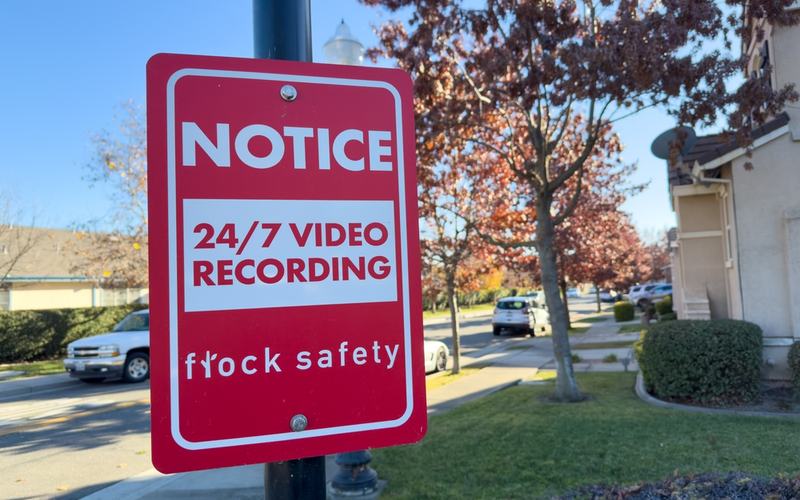
Flock Safety announced on Thursday a series of updates to its automated license plate reader platform aimed at addressing privacy concerns and preventing misuse of its systems.
The changes include shortening the default data retention period from 30 days to seven days. Local agencies will retain the ability to adjust retention based on state or local policies. The company is also giving municipalities greater control over data sharing by allowing them to specify the types of offenses that permit access by other law enforcement agencies.
To curb potential abuse by police, Flock will require agencies to activate its Audit Assistance feature. This tool identifies unusual activity and flags it for administrator review. A proactive lockout mechanism will automatically suspend user access when behavior crosses defined thresholds until reviewed. Searches of Flock data will now require a case code, which was previously optional.
Flock Safety operates a network of cameras that capture vehicle license plates along with details such as make, model, color, and bumper stickers. The system focuses on vehicle information rather than biometric or facial recognition data. Law enforcement agencies use the platform to investigate crimes, with data sometimes shared across jurisdictions.
The announcement follows months of criticism from civil liberties groups, lawmakers in both parties, and residents in multiple states. Reports have documented instances of officers accessing the system for personal reasons rather than official investigations. Several cities have canceled contracts or deactivated cameras in response to these issues.
The American Civil Liberties Union described the updates as a limited response that does not fully resolve underlying concerns about surveillance capabilities. Flock Safety stated the measures will provide communities with more oversight while supporting legitimate public safety efforts.
The company maintains that its technology is designed for targeted investigations and does not enable mass tracking of individuals.

Comments
No comments yet. Be the first to share your thoughts.