
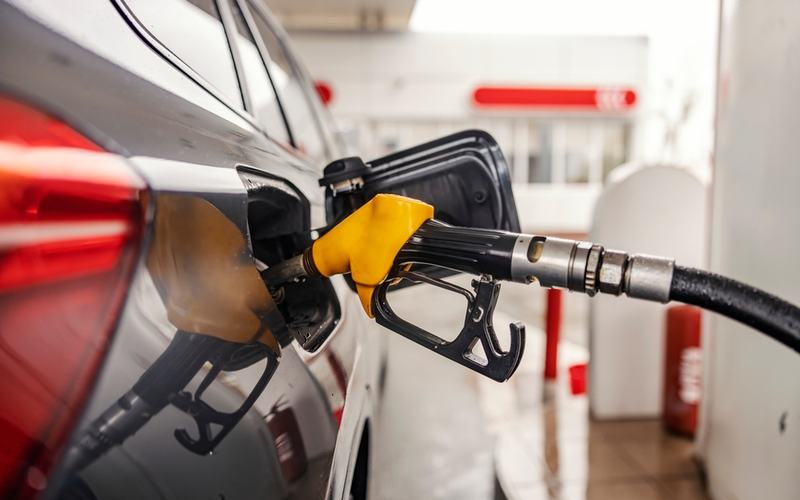
Slovenia imposed temporary restrictions on fuel purchases at gas stations nationwide on Sunday, becoming the first European Union member state to implement such measures amid acute shortages.
Private vehicle owners may now buy no more than 50 liters per day at any individual service station, while companies, farmers, and other priority users face a 200-liter limit. Prime Minister Robert Golob announced the caps late Saturday, stating they would remain in place until further notice. "Let me reassure you that there is enough fuel in Slovenia, the warehouses are full, and there will be no fuel shortages," Golob said, attributing the pump shortages to transportation bottlenecks rather than overall supply deficits.
The restrictions follow days of long queues at stations operated by Petrol, Slovenia's largest fuel distributor, with a 32.3% state stake. Some outlets closed temporarily as cross-border drivers from neighboring countries, drawn by lower Slovenian prices, and local stockpiling exacerbated the crisis. Hungarian firm MOL, the second-largest trader, had already limited sales to 30 liters per visit for individuals since March 18.
Government actions include deploying the Slovenian Armed Forces to aid fuel transport from depots to stations and ordering an investigation into Petrol for alleged distribution failures. The firm denied wrongdoing, blaming a sudden demand surge, and activated a crisis team. Earlier, on March 19, authorities released up to 30 million liters of diesel from emergency reserves exclusively for domestic sale. Price caps were lifted at motorway stations on March 20 to prioritize rural supply, pushing diesel toward 1.64 euros per liter on Tuesday.
Slovenia's strategic petroleum reserves stand at 700 million liters, covering 103 days of average consumption. Officials cited global oil market volatility from the Iran war, which spiked Brent crude by 20% recently, alongside "petrol tourism" and farmer stockpiling as triggers. Neighboring nations have been asked to monitor cross-border fueling.
The moves coincided with Slovenia's parliamentary election on Sunday, where Golob's liberal Freedom Movement edged a narrow victory over Janez Janša's right-wing Slovenian Democratic Party in a neck-and-neck contest. Critics have questioned the timing, linking supply strains to import dependence amid heightened Middle East tensions.
No end date for the limits has been set, but officials expect stabilization as army support ramps up and demand eases. Retailers must now report station statuses regularly to the government.

Comments
No comments yet. Be the first to share your thoughts.