
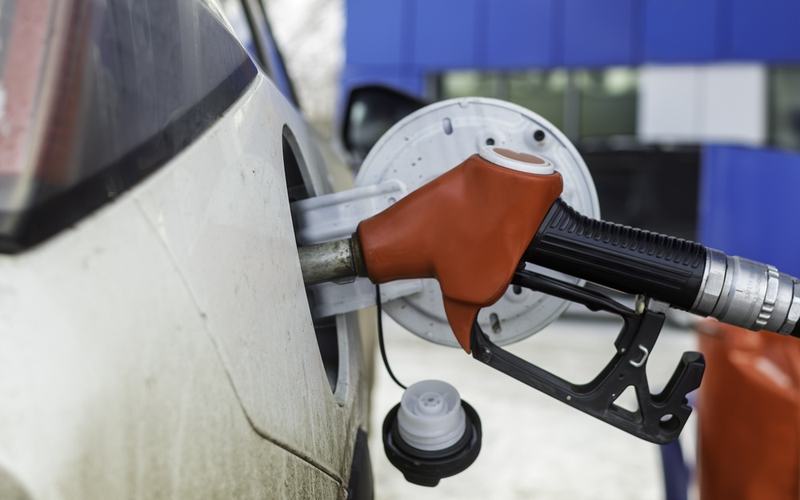
According to AAA, the national average price for a gallon of regular gasoline rose to $3.84 on Wednesday, up sharply from $2.98 before the U.S. and Israel launched joint strikes against Iran on Feb. 28. The current level marks the highest since October 2023.
The spike reflects rapid increases in crude oil prices, which have surged amid supply disruptions across the Middle East. Brent crude, the international benchmark, climbed above $102 per barrel this week, up from roughly $70 just weeks earlier. U.S. benchmark crude has also risen to nearly $96 per barrel.
The conflict has disrupted key supply routes, including the Strait of Hormuz, a critical passageway that typically handles about one-fifth of global oil shipments. Attacks on energy infrastructure and reduced tanker traffic have further tightened supply, contributing to price volatility.
The rising cost of fuel is placing immediate pressure on American households. Drivers across the country report paying more while getting less at the pump, as higher energy costs ripple through the broader economy. Diesel prices have also climbed, surpassing $5 per gallon nationally, increasing costs for transportation and shipping.
Donald Trump has pointed to the U.S. position as the world’s largest crude producer, arguing that higher oil prices can benefit domestic energy producers. However, economists note that while producers may gain, consumers typically bear the brunt of rising fuel costs.
Higher gas prices also risk fueling inflation, particularly as many households continue to face elevated living expenses. Increased fuel costs can drive up prices across multiple sectors, including food, transportation, and utilities, as businesses pass on higher operating expenses.
In response, the International Energy Agency announced plans to release 400 million barrels of oil from member stockpiles. The U.S. will contribute by drawing 172 million barrels from the Strategic Petroleum Reserve, aiming to stabilize supply in the short term.
Still, analysts caution that such measures may take time to impact consumers, as oil markets operate on forward contracts and refining delays. Seasonal factors are also contributing to higher prices, including increased travel demand and the shift to more expensive summer-blend gasoline.
Prices vary widely by state. California reported averages above $5.50 per gallon, while Kansas remained closer to $3.20.
Experts warn that prolonged high energy costs could slow economic activity, as consumers cut back on discretionary spending and delay major purchases. Continued instability in global oil markets leaves the outlook uncertain, particularly if the conflict in the Middle East persists.

Comments
No comments yet. Be the first to share your thoughts.