
Astronauts aboard Artemis II have officially made history, surpassing the distance record set during Apollo 13 as they began a dramatic flyby of the moon.
The four-person crew, three Americans and one Canadian, traveled beyond 248,655 miles from Earth, the previous record established in 1970. Mission officials expect Artemis II to exceed that mark by more than 4,100 miles before the journey is complete, making them the most distant humans ever from Earth.
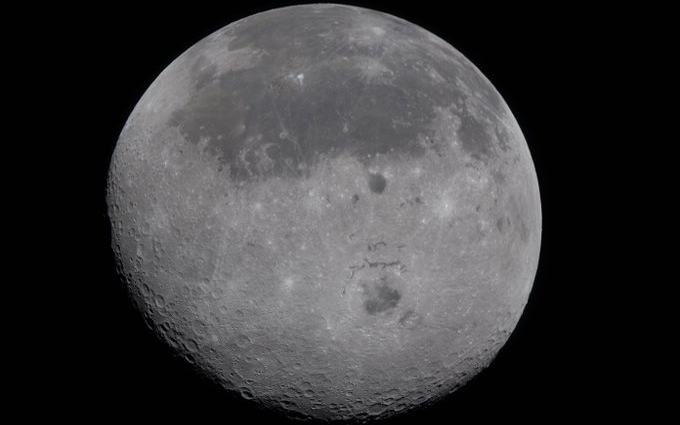
The milestone came just before the spacecraft initiated its six-hour lunar flyby, the centerpiece of the mission. As the moon filled their windows, astronauts reported stunning, never-before-seen views of the far side, offering both scientific value and a rare human perspective.
Canadian astronaut Jeremy Hansen described the journey as “unbelievable,” urging future generations to surpass the record. Commander Reid Wiseman, visibly emotional, reflected on the moment as the crew documented the moon and Earth together in a single frame.
The mission follows a free-return trajectory, a looping path that uses the gravitational pull of Earth and the moon to guide the spacecraft safely home. The same technique was used during Apollo 13 after its in-flight emergency.
At closest approach, the Orion capsule is expected to pass roughly 4,070 miles from the lunar surface while traveling over 3,100 miles per hour. The crew is conducting extensive observations, including imaging key lunar landmarks such as the Orientale Basin and scouting potential future landing zones near the moon’s south pole.
The mission also carries symbolic weight. A patch from Apollo 8, the first mission to orbit the moon, was brought aboard, and astronauts were awakened by a recorded message from Apollo 13 commander Jim Lovell, who welcomed them back to his “old neighborhood.”
Beyond its technical achievements, Artemis II represents a major step toward NASA’s long-term goal of returning humans to the lunar surface for the first time since 1972. Future missions aim to land astronauts near the moon’s south pole and establish a sustained human presence.
As the spacecraft rounds the far side of the moon and begins its journey home, the mission marks a defining moment in the next chapter of human space exploration.

Comments
No comments yet. Be the first to share your thoughts.