
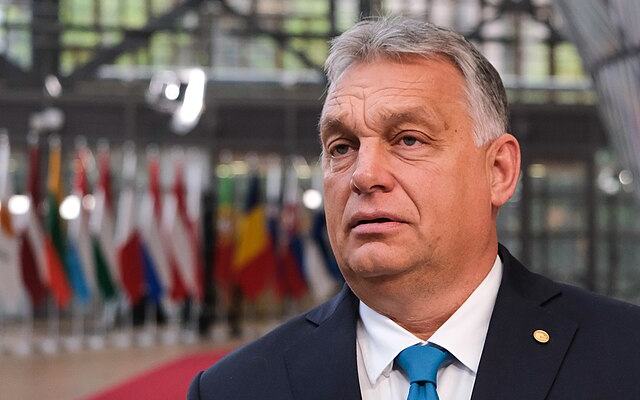
Hungarians headed into the final stretch of campaigning for the April 12 parliamentary election, where Prime Minister Viktor Orbán's long grip on power faced its sternest test in 16 years.
The vote will determine all 199 seats in the National Assembly, with 100 needed for a majority. Orbán's Fidesz-KDNP alliance holds 135 seats from the 2022 election, where it secured 54.1% of the vote. This time, challenger Péter Magyar and his center-right Tisza Party, launched in 2024 amid government scandals, emerged as the primary threat.
Recent opinion polls painted a divided picture. A March 28-29 survey by government-aligned Alapjogokért Központ showed Fidesz-KDNP at 50% and Tisza at 42% among respondents. Opposition-leaning pollsters reported larger Tisza leads, such as 51% to 38% in a Závecz Research poll from March 24-28 and 56% to 37% from 21 Kutatóközpont during the same period. POLITICO's Poll of Polls as of March 28 averaged Tisza at 50% and Fidesz at 39%.
A Median poll from March 17-20, among decided voters, gave Tisza 58% to Fidesz's 35%, widening the gap from February. Far-right Our Homeland hovered around 4-5% in most surveys. With 89% of respondents in the Median poll expecting to vote, turnout could surpass 2022's 70%.
Orbán framed the contest as peace versus war, vowing Hungarian sons would not die for Ukraine. He rallied supporters in Budapest on March 15, drawing tens of thousands to a Peace March. His international backers included U.S. President Donald Trump and Secretary of State Marco Rubio.
Magyar, a former government insider, accused Orbán of treason and corruption, capitalizing on scandals like a 2024 pardon controversy. Tisza performed strongly in the 2024 European and local elections. Several left-wing parties withdrew to consolidate opposition behind Magyar.
Campaign tensions escalated with mutual allegations. Opposition claimed Fidesz engaged in rural vote-buying via cash and jobs, as detailed in a March 26 documentary. Fidesz countered with accusations of illegal wiretapping and foreign meddling from Moscow and Kyiv. Reports surfaced of potential Russian interference, including bot networks and a foiled plot.
Underlying issues included economic stagnation, EU fund disputes, and Hungary's blocking of Ukraine aid. Critics labeled Hungary an electoral autocracy, but Orbán defended his model as protecting sovereignty. The outcome could reshape EU dynamics, with a Tisza win potentially easing tensions and a Fidesz victory solidifying Orbán's influence.
President Tamás Sulyok set the date on January 13, launching official campaigning. Analysts noted the race's uncertainty, given polling discrepancies and Hungary's first-past-the-post system favoring incumbents.

Comments
No comments yet. Be the first to share your thoughts.