
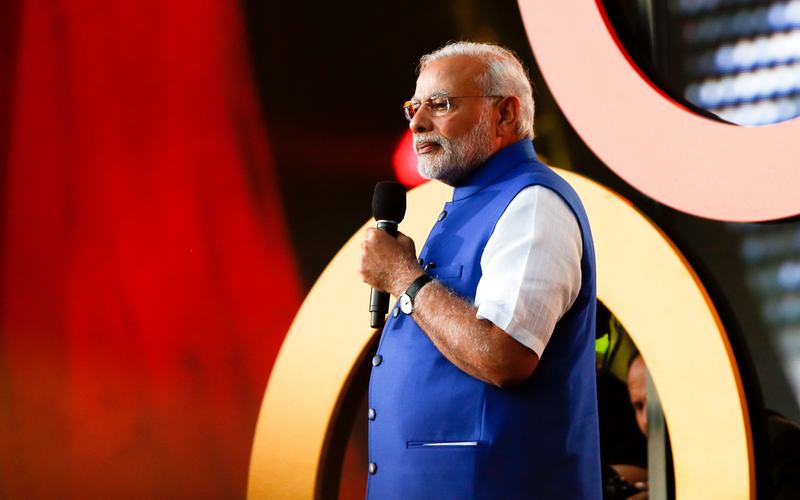
Polling commenced on Thursday in the Indian states of Assam and Kerala, along with the union territory of Puducherry, as voters headed to the booths in the first phase of assembly elections across five regions. Nearly 6.1 crore voters are eligible to decide the fate of 296 seats in these three areas, with results expected on May 4 alongside outcomes from Tamil Nadu and West Bengal.
The Bharatiya Janata Party (BJP), led by Prime Minister Narendra Modi, views these polls as a critical gauge of its national standing ahead of the 2029 general elections. In Assam, the BJP-led alliance under Chief Minister Himanta Biswa Sarma aims for a third consecutive term after victories in 2016 and 2021. Kerala presents a tougher challenge, where the BJP has struggled to break the bipolar contest between the ruling Left Democratic Front (LDF) of Chief Minister Pinarayi Vijayan and the Congress-led United Democratic Front (UDF). In Puducherry, the National Democratic Alliance (NDA), comprising the BJP and the incumbent All India N.R. Congress (AINRC) under Chief Minister N. Rangaswamy, seeks to retain power.
Modi has been actively campaigning, addressing multiple rallies in Assam and Kerala in the final days. He held three rallies in Assam on April 6 and conducted roadshows in Kerala, vowing rapid probes into alleged scams under opposition rule. In Assam, Modi urged record turnout, highlighting development achievements.
Opinion polls suggest favorable prospects for the BJP in Assam, with Vote Vibe surveys predicting an easy win for the ruling alliance. In Kerala, the opposition LDF is expected to hold on, while Puducherry remains competitive for the NDA. Broader surveys indicate tight races ahead in Tamil Nadu, where a BJP-allied coalition challenges the ruling DMK of Chief Minister M.K. Stalin, and in West Bengal against Trinamool Congress Chief Minister Mamata Banerjee.
Voters face issues like voter list revisions, particularly contentious in West Bengal, and economic pressures from global energy disruptions due to the Middle East conflict. India has managed fuel shortages without raising retail prices, diverting resources to households, a move credited to the central government's handling under Modi. Early reports showed Assam recording over 59% turnout by late afternoon, with officials targeting high participation across regions.
These elections, spanning 824 seats, underscore the BJP's push southward and eastward. Success in Assam would affirm its northeastern stronghold, while gains elsewhere could signal Modi's enduring appeal despite regional incumbents.

Comments
No comments yet. Be the first to share your thoughts.