
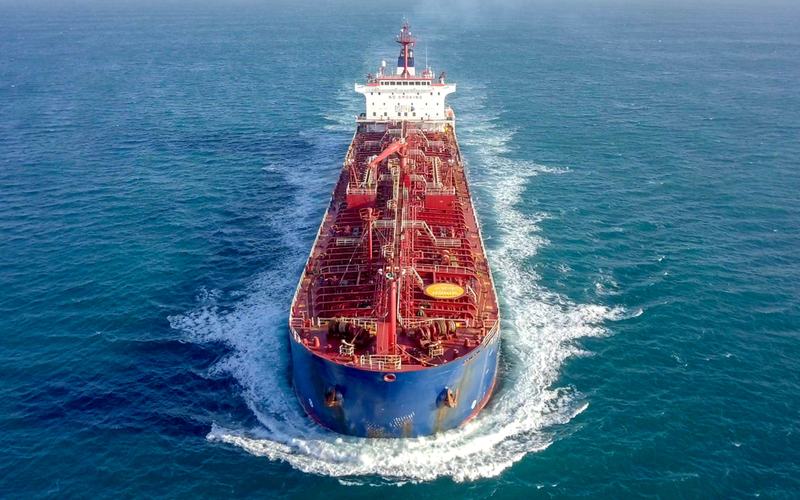
Iran has begun imposing transit fees of approximately $2 million on select vessels navigating the Strait of Hormuz, a critical global oil chokepoint, according to a senior Iranian lawmaker.
Alaeddin Boroujerdi, a member of Iran's parliament National Security and Foreign Policy Committee, stated on state broadcaster Islamic Republic of Iran Broadcasting that the fees reflect Tehran's strength over the waterway. "Collecting $2 million as transit fees from some vessels crossing the strait reflects Iran’s strength," Boroujerdi said during a television program. He described the measure as establishing a "new concept of sovereignty" after 47 years and noted it addresses the costs of ongoing conflict. "Now, because war has costs, naturally we must do this and take transit fees from ships passing through the Strait of Hormuz," he added.
The announcement comes amid heightened regional tensions following U.S. and Israeli strikes on Iran starting February 28, 2026, which reportedly killed over 1,300 people, including then-Supreme Leader Ali Khamenei. Iran has retaliated with drone and missile attacks on Israel, Jordan, Iraq, and the Gulf states. Tehran has effectively restricted access to the strait, creating a selective system where vessels seek approval through intermediaries connected to the Islamic Revolutionary Guard Corps.
At least one private oil tanker operator paid $2 million for safe passage through a de facto 'safe corridor' in Iranian territorial waters near Larak Island, according to reports from Lloyd's List and maritime analysts. Iran's permanent representative to the International Maritime Organization, Ali Mousavi, indicated the strait remains open to all except those violating Iranian soil.
The Strait of Hormuz typically carries about 20 million barrels of oil per day and 20% of the global liquefied natural gas trade. Traffic has plummeted 95-96% since early March, with maritime intelligence firm Windward AI reporting only 16 AIS-visible crossings in the past week and around 3,200 ships stranded in the Gulf. Vessels are rerouting through Iranian waters under the new vetting process.
Nations heavily impacted, including China, India, Pakistan, Iraq, and Malaysia, are negotiating directly with Iran for tanker passage approvals, potentially prioritizing non-U.S. and non-Israeli-aligned ships. The disruptions have spiked shipping insurance costs, pushed oil prices to nearly $119 per barrel briefly on March 19, and raised concerns over a prolonged energy shock.
President Donald Trump warned that America could target Iranian power plants if the Strait is not reopened within 48 hours. Freight analyst Matthew Wright of Kpler described the tolls as part of Iran's strategy to manage oil flows selectively, favoring Asian partners.

Comments
No comments yet. Be the first to share your thoughts.