
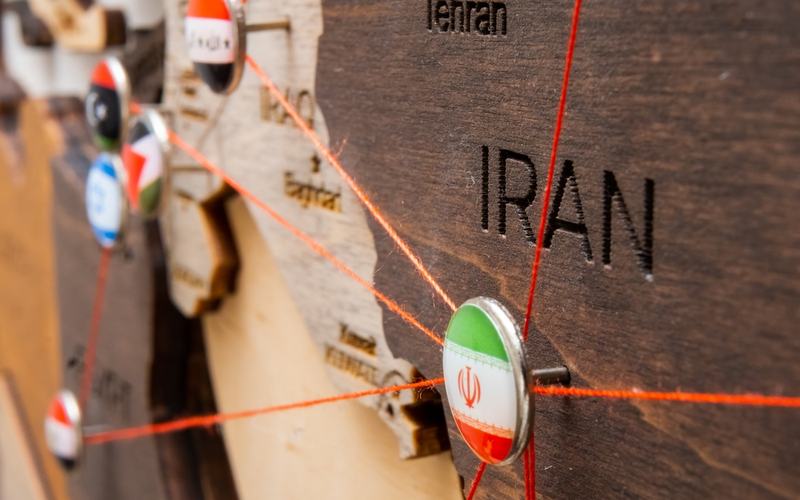
Iran closed the Strait of Hormuz on Wednesday following intensified Israeli military operations against Hezbollah in Lebanon, a move that threatens global energy markets and casts doubt on a recently announced ceasefire framework involving the United States, Israel, and Iran.
The strategic waterway, which carries roughly 20% of the world’s traded oil and natural gas, has been a focal point in the broader conflict. Iranian officials indicated the closure was a response to Israeli strikes in Beirut and other parts of Lebanon, where more than 100 people were reported killed in one of the deadliest days of the current fighting.
The escalation comes despite claims from both Washington and Tehran that a ceasefire agreement had been reached. However, key details of the deal remain unclear, with both sides offering conflicting accounts. Vice President JD Vance described the arrangement as “fragile,” while Defense Secretary Pete Hegseth said U.S. and Israeli forces had achieved a decisive military outcome against Iranian capabilities. Iranian leaders, meanwhile, claimed they had forced concessions from the U.S. and its allies.
Israel has continued its campaign against Hezbollah, launching large-scale strikes across Lebanon and signaling that operations against the Iran-backed group are not covered under the ceasefire terms. Lebanese officials condemned the attacks, while regional leaders warned the continued violence could derail any broader agreement.
Iran has also suggested it may impose new conditions on vessels transiting the Strait of Hormuz, including potential fees under Iranian oversight, a move that would challenge longstanding international norms governing the passage. The uncertainty has already disrupted commercial shipping and contributed to volatility in global energy markets.
Meanwhile, questions remain over Iran’s nuclear and missile programs, which were central to the conflict. U.S. officials said efforts may be underway to secure and remove enriched uranium, though Tehran has not confirmed any such arrangement.
The conflict has resulted in significant casualties across the region, including in Iran, Lebanon, Israel, and neighboring Gulf states, while also drawing in U.S. forces. With hostilities continuing on multiple fronts and core issues unresolved, the situation remains unstable despite diplomatic efforts to de-escalate.

Comments
No comments yet. Be the first to share your thoughts.