
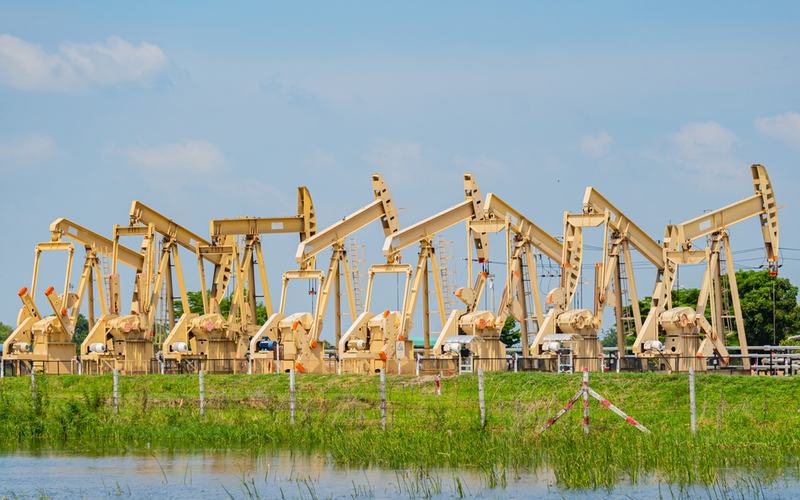
Kuwait's armed forces intercepted 28 Iranian drones on Wednesday morning that targeted vital oil installations, power stations, and water desalination plants in the south of the country, causing serious infrastructure damage. The attacks began around 8 a.m. local time, just hours after the United States and Iran announced a two-week ceasefire.
Kuwait's Defense Ministry stated that air defense systems responded to an "intense hostile Iranian attack." "Kuwaiti armed forces intercepted a large number of drones, some of which targeted vital oil installations and power stations in the south of the country," the ministry said. No casualties were reported from the strikes in Kuwait.
Iranian state television confirmed the drone and missile attacks on Kuwait, the United Arab Emirates, and Bahrain, claiming they were retaliation for bombings of Iranian oil facilities, including a refinery on Lavan Island. The strikes came despite a fragile truce agreed upon between Washington, Tehran, and Israel, announced ahead of a deadline set by U.S. President Donald Trump.
The ceasefire, which took effect Tuesday evening U.S. time, calls for a two-week halt in hostilities conditional on Iran reopening the Strait of Hormuz, a critical chokepoint for one-fifth of global oil shipments. Trump had warned of severe consequences if Iran failed to comply by 8 p.m. on April 7. The agreement paves the way for negotiations in Islamabad starting Friday.
Similar attacks were reported in the UAE, where air defenses engaged incoming Iranian missiles and drones, leading to a fire at the Habshan gas complex from falling debris. Two Emiratis and one Indian national were injured there. Bahrain's Interior Ministry reported two citizens with minor injuries and damage to houses in the Sitra area from shrapnel after intercepting an Iranian drone; a fire at an energy facility on Sitra Island was brought under control.
The incidents mark a rapid escalation, testing the ceasefire's viability, amid a broader conflict that began with U.S. and Israeli strikes on Iran on February 28. Iran has repeatedly targeted Gulf energy infrastructure in retaliation, including earlier drone strikes on April 5 that damaged Kuwait Petroleum Corporation facilities and sparked fires at refineries. Kuwait's Shuwaikh oil sector complex, housing the oil ministry headquarters, was among the sites hit then, with severe material damage reported.
Gulf nations have urged de-escalation and protection of navigation in the Strait of Hormuz. The U.S. Pentagon stated its forces remain ready to resume operations if needed. Oil markets have fluctuated amid disruptions, though specific impacts from Wednesday's attacks were not immediately detailed.

Comments
No comments yet. Be the first to share your thoughts.