
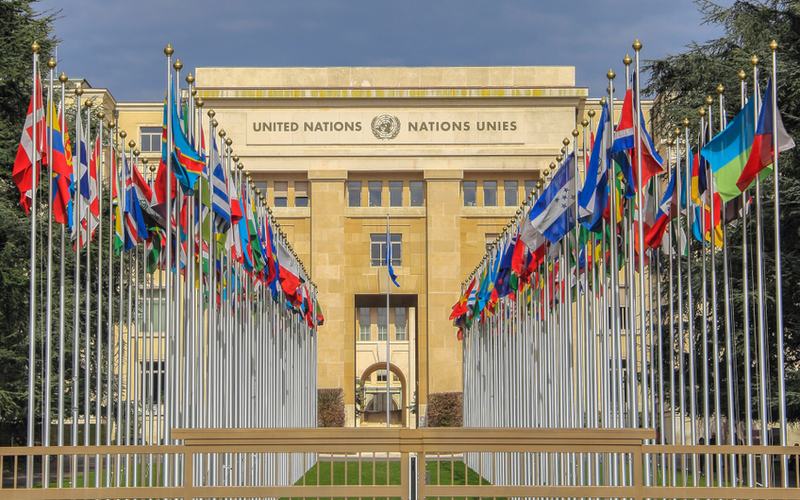
Iran's representative to the United Nations, Abbas Tajik, was elected vice-chair of the UN Commission for Social Development during its 64th session last month. The position, for the upcoming 65th session set for February 2027, was approved by acclamation with no objections raised.
The Commission for Social Development serves as the principal advisory body to the UN Economic and Social Council on social policy and development issues. Established in 1946, it includes 46 member states elected for four-year terms. The priority theme for the 65th session centers on advancing democracy, gender equality, tolerance, and non-violence.
The appointment quickly drew sharp criticism from human rights advocates and Iranian dissidents. Hillel Neuer, executive director of UN Watch, called it a mockery, stating the regime 'brutalizes women for not covering their hair, and that just massacred tens of thousands of its own civilians in two days.' Alireza Jafarzadeh, deputy director of the U.S. office of the National Council of Resistance of Iran, described it as 'the fox guarding the hen house.'
Critics highlighted Iran's enforcement of strict hijab laws, where women face arrest, imprisonment, or worse for non-compliance. This follows widespread protests sparked by the 2022 death of Mahsa Amini in custody after her arrest for improper hijab wearing, leading to a deadly crackdown. Iran was ousted from the UN Commission on the Status of Women in December 2022 for policies contrary to women's rights, cutting short its 2022-2026 term.
U.S. Ambassador to the UN Mike Waltz also condemned the election. Iranian analyst Lisa Daftari remarked that for women risking prison over headscarves, the move feels like 'a slap in the face.' Meanwhile, UN Secretary-General António Guterres faced backlash for congratulating Iran on the 1979 Islamic Revolution anniversary around the same time.
Iranian state media celebrated the election, with Press TV and Tehran Times noting Tajik's role alongside other vice-chairs. The Islamic Republic remains a member of the commission until 2028 and actively participated in the recent session.
The controversy underscores ongoing concerns about UN body leadership selections amid member states' varying human rights records. Advocacy groups like the International Organization for the Protection of Human Rights continue to protest such appointments.

Comments
No comments yet. Be the first to share your thoughts.