
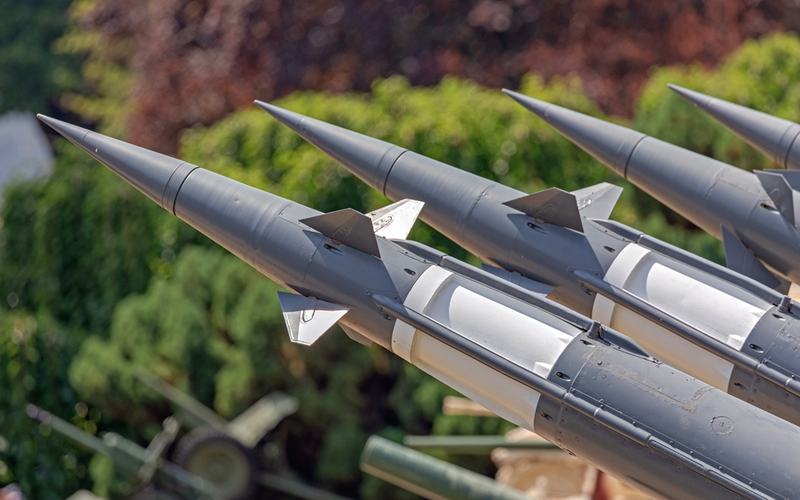
Iran's Islamic Revolutionary Guard Corps announced on Sunday that it launched the Sejjil ballistic missile toward Israel for the first time in the ongoing war, marking a significant escalation in the conflict now in its third week.
The strike occurred as part of the 54th wave of Operation True Promise 4, which also involved other missiles such as Khorramshahr, Kheibar Shekan, Qadr, and Emad. Iranian officials stated the barrage targeted centers of administration and decision-making for Israeli air operations, military infrastructure, and locations where Israeli forces were gathered. One Sejjil missile struck near a US consular residence in Tel Aviv, with shrapnel damaging a residential building used by a US consul. Israel's air defenses intercepted some incoming projectiles, but at least three Israelis were injured in southern Tel Aviv, and another was wounded by falling fragments elsewhere.
The Sejjil, also known as Ashura, is a two-stage, solid-propellant medium-range ballistic missile with a range of 2,000 to 2,500 kilometers and a payload capacity of around 700 to 1,000 kilograms. Nicknamed the "dancing missile" for its high-altitude maneuvering capabilities that help evade defenses, it was first tested in 2008, with a Sejjil-2 variant successfully flown in 2009. No confirmed tests have been reported since 2012, making this its first known combat deployment.
The launch came amid day 15 of the war, which began on February 28, 2026, when the United States and Israel initiated airstrikes on Iranian nuclear sites, military installations, and leadership compounds under Operations Epic Fury and Roaring Lion. The strikes killed Supreme Leader Ayatollah Ali Khamenei and numerous officials, aiming to dismantle Iran's missile and nuclear programs while pursuing regime change. Iran responded with waves of drones and missiles targeting Israel and US bases across the Middle East, including in Bahrain, Qatar, Kuwait, the UAE, and Saudi Arabia. Hezbollah escalated attacks from Lebanon, prompting an Israeli ground incursion there.
Casualties have mounted significantly. Iranian sources report 1,444 killed and 18,551 wounded from US-Israeli strikes, while independent estimates from groups like Hengaw put the death toll at around 4,900, mostly military personnel. The US has lost 15 service members, with over 200 wounded, and Israel reports 17 civilians and 2 soldiers killed, alongside thousands injured. Regional neighbors have also suffered, with hundreds dead in Lebanon, Iraq, and Gulf states from Iranian strikes and debris.
On Sunday, the US bombed military sites on Iran's Kharg Island oil hub while sparing export infrastructure. Iranian missile and drone launches have declined by over 80 percent due to depleted stocks, but Tehran vows a prolonged response and has closed the Strait of Hormuz, spiking global oil prices. President Donald Trump stated the conflict could end in weeks, while Iran's new Supreme Leader, Mojtaba Khamenei, has rejected ceasefires.
International reactions include interceptions by Saudi Arabia, Qatar, and Bahrain, alongside calls for de-escalation from Oman and Qatar. The UN Security Council has condemned Iranian attacks on Gulf states, as economic disruptions widen with aviation fuel costs rising and events like Formula One races canceled.

Comments
No comments yet. Be the first to share your thoughts.