
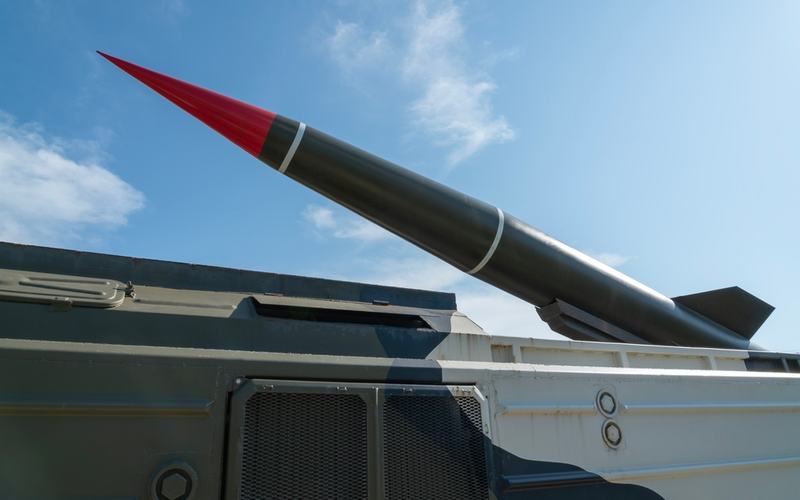
An Iranian missile attack on Prince Sultan Air Base in Saudi Arabia wounded at least 10 U.S. service members late Friday, with two suffering serious injuries, according to U.S. officials. The strike also damaged several American refueling aircraft at the facility, which hosts U.S. forces supporting operations in the region.
The incident occurred amid a monthlong war that began on February 28, 2026, when the United States and Israel launched surprise airstrikes on Iranian military sites, nuclear facilities, and leadership targets, including the assassination of Supreme Leader Ali Khamenei. Iran retaliated with waves of ballistic missiles and drones against Israeli cities, U.S. bases across the Gulf states, and allied infrastructure, causing about $800 million in damage to American sites in the first two weeks alone.
Overall, the conflict has resulted in heavy losses. The U.S. reports 15 soldiers killed and more than 300 wounded, while Iran claims nearly 2,000 dead and over 24,000 injured, though independent estimates suggest higher military casualties for Tehran. Israel has suffered four soldiers and dozens of civilians killed, alongside thousands injured from Iranian missile barrages.
In response to recent Iranian attacks, Israel struck key nuclear sites on Friday, including the Shahid Khondab Heavy Water Complex in Arak, the Ardakan yellowcake production plant in Yazd, and the Bushehr nuclear power plant for the third time. Israeli officials vowed to "escalate and expand" operations, targeting ballistic missile production in Tehran and launchers in western Iran.
President Donald Trump described the war as "not finished yet," stating the U.S. has "another 3,554 targets left to hit" in Iran and that Tehran is "not powerful anymore." He suspended strikes on Iranian energy infrastructure temporarily but warned of hitting power plants if Iran does not fully reopen the Strait of Hormuz by April 6. The U.S. delivered a 15-point ceasefire proposal through Pakistan, demanding restrictions on Iran's nuclear program, though Tehran rejected it and countered with its own five-point plan.
Secretary of State Marco Rubio emphasized that Washington can meet its objectives without ground troops in Iran, even as the Pentagon deploys 1,000 paratroopers from the 82nd Airborne Division and thousands of Marines to the Middle East. Defense Secretary Pete Hegseth noted that U.S. forces had preemptively moved most troops out of Iranian missile range.
Iran's Foreign Minister Abbas Araghchi vowed a "heavy price" for Israeli actions, while the IRGC warned U.S. and Israeli-linked personnel to evacuate workplaces. Tehran has partially eased restrictions on the Strait of Hormuz for humanitarian and agricultural shipments but maintains control, collecting tolls in Chinese yuan and disrupting global oil flows.
The war has driven crude oil prices above $100 per barrel, sent stock markets tumbling, and raised fears of food shortages from fertilizer disruptions. Thousands more civilians have been displaced across Lebanon, Iran, and Gulf states as strikes continue.

Comments
No comments yet. Be the first to share your thoughts.