
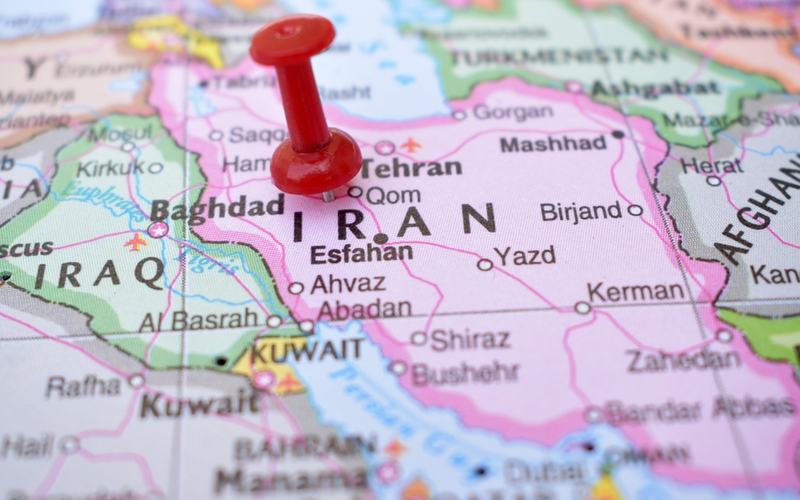
Iran rejected a 15-point ceasefire proposal from the Trump administration aimed at ending the ongoing war with the United States and Israel, according to Iranian state media. The plan, delivered through intermediaries including Pakistan, called for Iran to dismantle its nuclear facilities at sites like Natanz, Fordow, and Isfahan, halt uranium enrichment, end support for proxy groups such as Hezbollah, limit its ballistic missile program, and fully reopen the Strait of Hormuz to international shipping in exchange for sanctions relief and assistance with a civilian nuclear program.
A senior Iranian political-security official described the U.S. terms as "excessive" and insisted the war would conclude only "on Tehran's own terms and timeline." Iran's Press TV reported that Tehran submitted a counterproposal with five specific conditions: a complete halt to U.S. and Israeli attacks and assassinations; mechanisms to prevent the war from resuming; compensation for damages; an end to hostilities on all fronts, including against Hezbollah in Lebanon and pro-Iran militias in Iraq; and international guarantees recognizing Iran's sovereignty over the Strait of Hormuz.
The rejection came amid escalating military actions. Israel continued airstrikes on Tehran and expanded operations in southern Lebanon against Hezbollah, while Iran launched missiles at Israeli cities, including Tel Aviv, and fired at ships in the Strait of Hormuz. The U.S. is deploying up to 3,000 paratroopers from the 82nd Airborne Division to the region, adding to roughly 50,000 troops already in place. Iran has partially closed the strait, disrupting 20 percent of global oil supplies and stranding thousands of seafarers, though it now allows passage for "non-hostile" vessels excluding U.S. and allied ships.
President Donald Trump paused planned U.S. strikes on Iranian energy infrastructure for five days to allow talks, citing "productive conversations." He claimed Iran provided a "very big present" related to oil and gas, though details remain unclear. Iranian officials, including the parliament speaker, denied direct negotiations and warned against further U.S. troop movements.
The conflict erupted on February 28 after failed negotiations, when U.S. and Israeli forces struck Iranian nuclear sites and assassinated top officials, including Supreme Leader Ali Khamenei. Talks had stalled despite multiple rounds since Trump's March 2025 letter setting a deadline for a nuclear deal. The war has caused widespread destruction, with the U.N. estimating $63 billion in economic losses in the Arab region alone and displacing over a million people in Lebanon.
Israeli officials expressed skepticism about Iran's acceptance of the proposal, while regional mediators like Oman expressed dismay at the impasse. No immediate response came from the White House to Iran's counterconditions as of this afternoon.

Comments
No comments yet. Be the first to share your thoughts.