
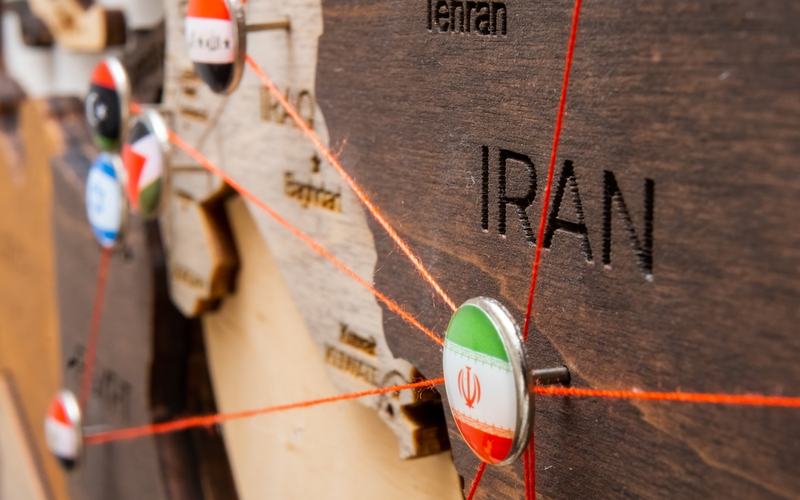
Students at multiple universities across Iran continued anti-government protests for a fourth consecutive day on Tuesday, defying a heavy security presence and official warnings. Footage verified by BBC Verify and BBC Persian showed demonstrators at Tehran's Al-Zahra University burning the flag of the Islamic Republic while chanting slogans such as "Death to the dictator" and "Woman, life, freedom."
The unrest began on Saturday, February 22, coinciding with the reopening of university campuses after a winter break. Protests erupted at Sharif University of Technology, University of Tehran, and others in the capital, as well as in Mashhad, initially tied to 40-day memorials for victims killed during a government crackdown on nationwide demonstrations in January. Iran's state news agency IRNA reported demonstrations at five Tehran universities and one in Mashhad on Sunday, marking the second day of the resurgence.
By Monday, the protests had spread further, with videos showing scuffles between students and pro-regime supporters, including members of the Basij paramilitary force, at Sharif University and the Iran University of Science and Technology. Demonstrators honored those killed in prior unrest, chanting against Supreme Leader Ayatollah Ali Khamenei and calling for regime change. Reports indicated at least eight universities in Tehran alone hosted protests by Tuesday.
Iranian authorities responded swiftly. Armed police flooded campuses, and the prosecutor's office began overseeing cases against some protesters, with several students already suspended. Officials stressed that students must respect "red lines," warning against crossing boundaries amid the renewed dissent.
These campus actions revive the broader 2025-2026 Iranian protest wave, which began on December 28, 2025, amid economic woes and demands for greater freedoms. A violent crackdown in early January left thousands dead, according to human rights groups and opposition sources, temporarily quelling the street demonstrations. Universities have long served as focal points for dissent, echoing the 2022 Mahsa Amini protests.
The latest flare-up occurs against a backdrop of escalating international tensions, including a nuclear stalemate with the United States and reports of U.S. military buildup in the region. While state media acknowledged the gatherings, independent verifications via social media and witnesses paint a picture of sustained student defiance despite risks of arrest and violence.

Comments
No comments yet. Be the first to share your thoughts.