
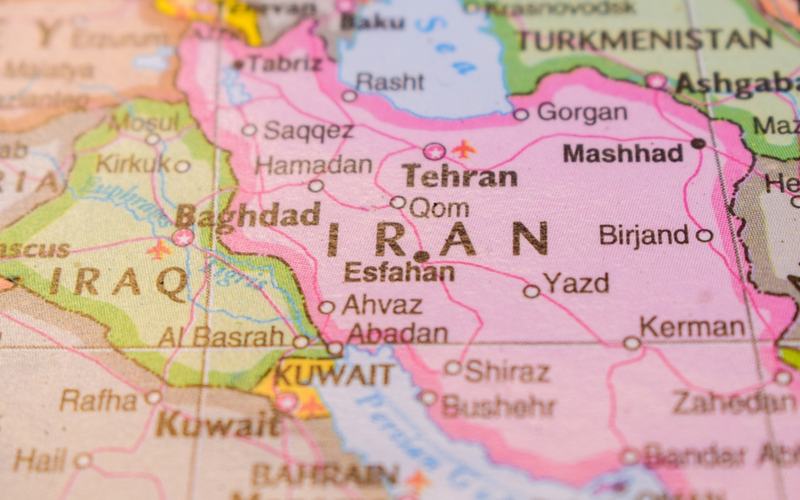
In response to nationwide anti-regime protests in December, Iranian officials have intensified surveillance, using mobile phone location data to identify and detain participants. Protesters reportedly received threatening text messages warning that their “presence at illegal gatherings” had been tracked and advising them to avoid such events, which the messages described as “desired by the enemy.”
Iran’s surveillance infrastructure is considered among the most advanced in the world. The government maintains facial recognition systems and monitors mobile devices and apps. In 2019, a digital identity program required citizens to register their phones and SIM cards to access national mobile networks. Domestic banking and commerce systems are also linked to a state registry, further expanding the government’s monitoring capabilities.
Alongside targeted surveillance, Iranian authorities have implemented extensive internet blackouts to restrict the flow of information. In response, the U.S. State Department reportedly smuggled nearly 7,000 Starlink internet terminals into the country to assist activists in maintaining communications.
Separately, President Donald Trump, who has been involved in talks with Iran regarding its nuclear program, said Friday he plans to deploy a second round of U.S. naval strike groups to the Middle East, including the aircraft carrier U.S.S. Gerald R. Ford. “I think they’ll be successful, and if they’re not, it’s going to be a bad day for Iran, very bad,” Trump told reporters.
The combination of digital tracking, internet restrictions, and heightened military pressure underscores the ongoing tensions between the Iranian regime and both domestic dissidents and international observers.

Comments
No comments yet. Be the first to share your thoughts.