
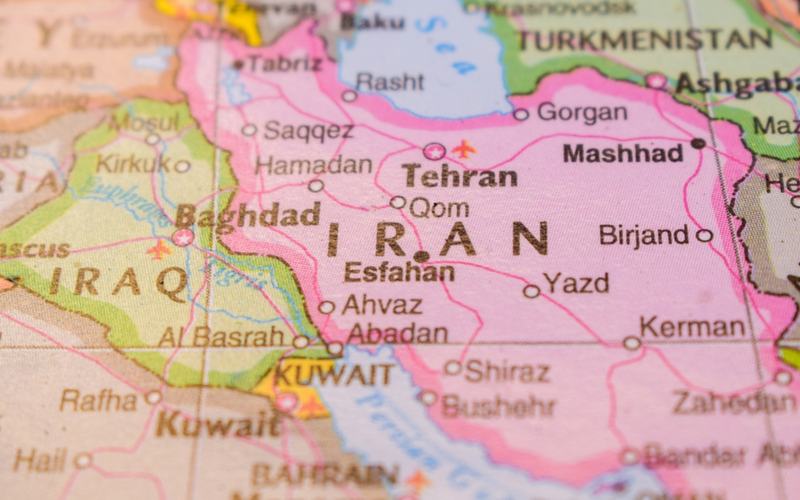
Iran's armed forces declared Saturday that the war with the United States and Israel is likely to resume, citing evidence that Washington is not committed to agreements or treaties. Mohammad Jafar Asadi, deputy of the military headquarters, said the actions and statements of US officials are "primarily media-driven, aimed first at preventing a drop in oil prices and second at extricating themselves from the mess they have created." He added that Iran's armed forces are "fully prepared for any new adventures or foolishness from the Americans."
The warning came amid stalled peace talks mediated by Pakistan. President Donald Trump expressed dissatisfaction with Iran's latest proposal, submitted through Pakistani intermediaries on April 30, stating it asks for things "I can’t agree to." Trump also described Iran's leadership as "fractured into three or four groups" and said he is "not happy about new proposals for talks."
A fragile ceasefire has held since April 8, following intense fighting that began on February 28 when the US and Israel launched strikes on Iranian military, nuclear, and government sites under Operations Epic Fury and Roaring Lion. The strikes targeted Iran's missile capabilities, nuclear facilities, and leadership, including the assassination of Supreme Leader Ali Khamenei. Iran retaliated with over 1,770 missiles and 3,955 drones on US bases, Israel, and Gulf allies, while closing the Strait of Hormuz.
The US responded with a naval blockade of Iranian ports starting April 13, leading to a dual blockade situation. Talks in Islamabad failed to produce an agreement, with Iran rejecting US demands on its nuclear program and missiles while proposing to address the Strait and sanctions first. Oil prices have surged above $100 per barrel due to the disruptions.
US intelligence assesses that Iran is using the pause to recover hidden missiles and launchers buried under debris from airstrikes, preparing to restart attacks on US interests, Israel, and regional partners if fighting resumes. Iran's air defenses have been significantly degraded. Separately, IRGC Aerospace Force commander Majid Mousavi warned that any "short and rapid" US strikes would prompt "prolonged and painful blows," adding that US warships could suffer the same fate as regional bases.
Casualties from the conflict number over 6,000 dead across all sides, with Iran reporting 3,468 to 6,000 killed, including civilians and military personnel. The US has lost 15 soldiers, Israel 46, and thousands more wounded in Lebanon, Iraq, and the Gulf states. A separate ceasefire between Israel and Hezbollah in southern Lebanon, extended since April 16, has seen violations, including recent Israeli strikes killing two.
The War Powers Resolution clock paused with the ceasefire, but Congress faced a May 1 deadline for authorization, which the White House claims does not apply due to halted hostilities. Trump is reviewing CENTCOM options for limited strikes to pressure Iran back to the table.

Comments
No comments yet. Be the first to share your thoughts.