
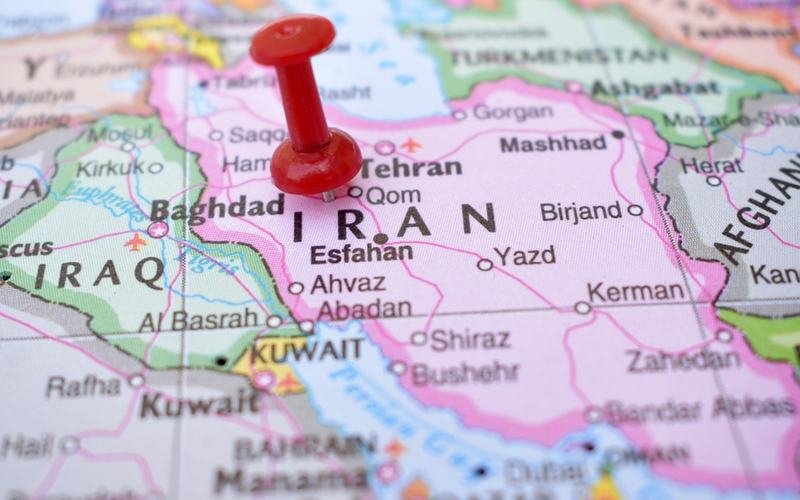
Two oil tankers erupted in flames in Iraqi territorial waters near the southern port of Basra early Thursday after attacks by explosive-laden boats believed to be Iranian, killing at least one crew member and disrupting the country's oil exports.
The Marshall Islands-flagged Safesea Vishnu, owned by a U.S. company, and the Malta-flagged Zefyros, Greek-owned, were conducting a ship-to-ship fuel transfer when struck. Iran's Islamic Revolutionary Guard Corps claimed responsibility for hitting the Safesea Vishnu, stating the tanker had ignored warnings and failed to comply with orders. Iraqi officials described the incident as a "cowardly act of sabotage," according to Lt. Gen. Saad Maan, head of the Iraqi Security Media Cell.
One Indian seafarer died on the Safesea Vishnu, while 38 crew members from both vessels were rescued. In response, Iraq suspended operations at all its oil terminals, halting exports from the vital Basra facilities. Commercial ports remained open.
The attacks marked an escalation in Iran's campaign against Gulf shipping amid the ongoing Middle East conflict. They followed U.S. and Israeli strikes on Iran on February 28 that killed the country's supreme leader, prompting Tehran to target energy infrastructure and vessels linked to the U.S., Israel, and their allies. Iran has warned that tankers passing through the Strait of Hormuz, through which 20% of global oil flows, risk attack and vowed to keep the route closed.
Global oil markets reacted sharply, with Brent crude surging nearly 9% to $100.03 a barrel and West Texas Intermediate rising 9.2% to $95.25. Analysts warned of further gains if disruptions persist, with Goldman Sachs forecasting Brent at $110 if the Strait remains blocked for a month. U.S. Energy Secretary Chris Wright said Navy escorts through the strait were likely by month's end, adding prices were unlikely to reach $200 per barrel.
The tanker strikes were part of broader assaults Thursday, including projectiles hitting four other vessels in Gulf waters and attacks on fuel storage in Bahrain and Oman. The International Energy Agency noted massive supply cuts, releasing 400 million barrels from strategic reserves, though experts questioned its adequacy.
President Donald Trump described price swings as a "matter of war," claiming U.S. strikes had hit Iran harder than any nation in history. The conflict has caused over 1,300 deaths in Iran and displaced millions, with UN officials decrying attacks on civilian sites.

Comments
No comments yet. Be the first to share your thoughts.