
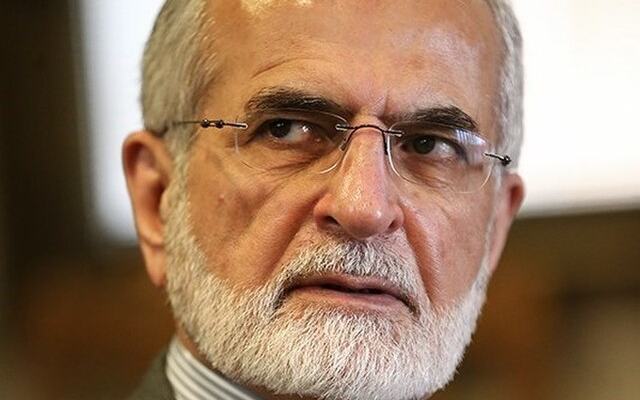
Kamal Kharrazi, Iran's former foreign minister and a top foreign policy advisor to Supreme Leader Ayatollah Ali Khamenei, died late Thursday from injuries sustained in a US-Israeli airstrike on his Tehran home nine days earlier.
Iranian state media, including Tasnim News Agency and Mehr News Agency, reported the 81-year-old diplomat's death, describing him as having "attained martyrdom" at the hands of the "American-Zionist enemy." Kharrazi's wife was killed instantly in the April 1 strike, which targeted their residence in the Iranian capital.
Born in 1944, Kharrazi served as Iran's foreign minister from 1997 to 2005 under reformist President Mohammad Khatami. He previously held the position of Iran's permanent representative to the United Nations and was deputy foreign minister during the early years of the Islamic Republic. In recent years, he headed the Strategic Council on Foreign Relations, providing counsel to Khamenei on international affairs, including nuclear negotiations with the West.
The strike occurred amid a broader US-Israeli military campaign against Iran that began on February 28, marking over six weeks of airstrikes, missile exchanges, and escalating tensions as of Friday. Iranian officials have framed the attacks as unprovoked aggression, while reports indicate strains in a fragile ceasefire, with US President Donald Trump issuing warnings to Tehran over fees imposed on tankers transiting the Strait of Hormuz.
No immediate comments came from US or Israeli officials on Kharrazi's death early Friday. Iranian media mourned the veteran diplomat, highlighting his long service to the Islamic Republic and his role in shaping Tehran's diplomatic stance during critical periods, such as the Iran-Iraq War and post-revolutionary foreign policy.
The incident adds to a string of high-profile casualties in the ongoing conflict, which has seen US and Israeli forces target Iranian military sites, nuclear facilities, and leadership residences. Tehran has responded with drone and missile barrages on Israeli and US-aligned positions in the region. As the war enters its 43rd day, international calls for de-escalation grow amid fears of broader regional involvement.

Comments
No comments yet. Be the first to share your thoughts.