
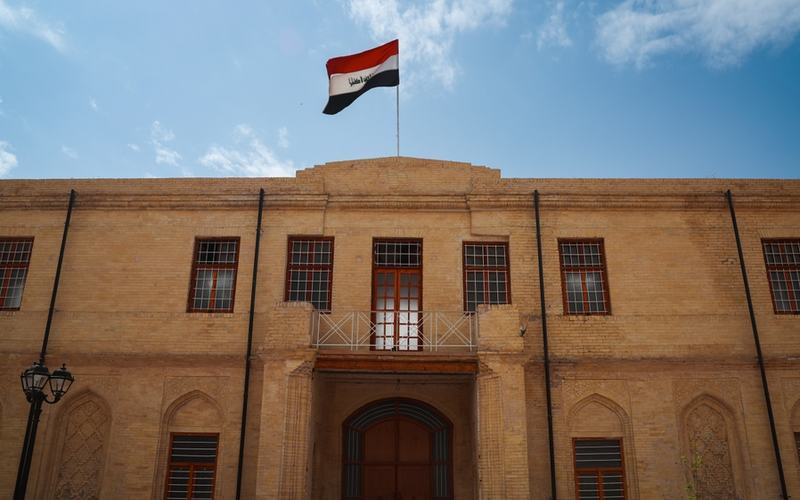
Iraq's Oil Ministry declared force majeure on March 17 on all oilfields developed by foreign companies, halting production amid severe disruptions to shipping through the Strait of Hormuz.
The decision followed three weeks of escalating conflict between the United States, Israel, and Iran, which has blocked most tanker traffic through the vital chokepoint that carries about 20% of the world's seaborne oil supplies. Three energy officials confirmed the ministry sent a letter to international partners stating they could not nominate tankers for crude liftings, despite state oil marketer SOMO being prepared to load shipments.
The ministry ordered a full shutdown of production in the affected concession areas, with no compensation provided to operators under contract terms. It plans to review the measure periodically based on regional developments and has invited companies for urgent discussions on essential operations, costs, and staffing.
Crude output at the state-run Basra Oil Company has already fallen to 900,000 barrels per day from 3.3 million barrels per day, as exports from southern ports stopped and storage filled up. Remaining production is being directed to domestic refineries. Earlier this month, production from Iraq's main southern fields dropped 70% to 1.3 million barrels per day due to the export halt.
The force majeure applies to fields operated by international oil companies under service contracts, primarily in the oil-rich southern Basra region. These include supergiant fields such as Rumaila, West Qurna, and Zubair, though specific operators were not named in the ministry's notice.
Oil Minister Hayan Abdel-Ghani stated on Friday that the production cut at Basra was necessary given the circumstances. Iraq relies on oil sales for nearly all public spending and more than 90% of government revenue, making the shutdown a major strain on its budget.
The U.S.-Israeli military campaign against Iran, now in its third week, prompted Tehran's retaliatory strikes on Israel and Gulf states hosting U.S. forces. This has spilled over, with attacks on energy infrastructure across the region. Other Gulf producers have taken similar steps: Qatar, Kuwait, and Bahrain declared force majeure on LNG and oil exports earlier this month.
International benchmark oil prices settled at their highest levels since July 2022 on Friday, reflecting fears of prolonged supply disruptions. Iraq had previously avoided declaring force majeure despite the production collapse, but shifted course as tanker nominations dried up.
The ministry's crisis cell, chaired by the oil minister, issued the ruling to suspend contractual obligations, including production targets and payments, without penalties. Most of Iraq's 3.5 million barrels per day of exports normally pass through the Strait, underscoring the economic vulnerability.

Comments
No comments yet. Be the first to share your thoughts.