
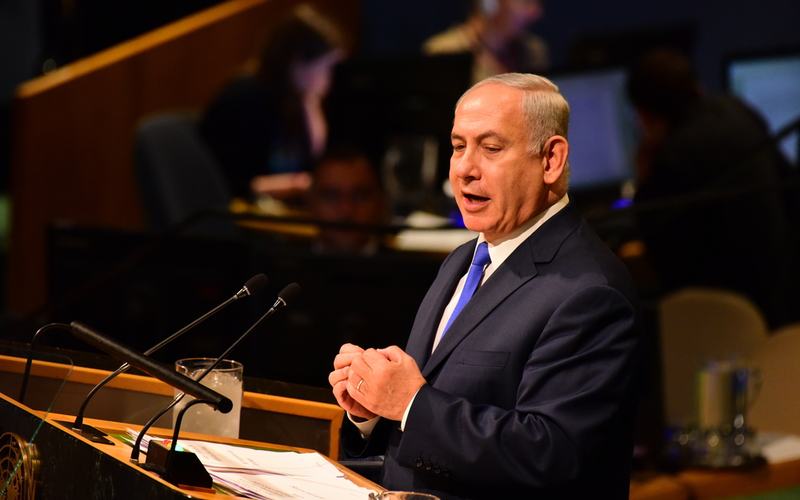
Israeli Prime Minister Benjamin Netanyahu's office stated early Wednesday that Israel supports the United States' decision to suspend strikes on Iran for two weeks, but emphasized the ceasefire does not include Lebanon. The announcement came hours after President Donald Trump revealed the agreement on social media, hailing it as a step toward lasting peace in the Middle East.
Netanyahu's office said Israel backs Trump's move, which is conditional on Iran reopening the Strait of Hormuz and halting attacks on the United States, Israel, and countries in the region. "The two-week ceasefire does not include Lebanon," the statement explicitly noted, allowing Israeli forces to continue operations against Hezbollah. Netanyahu added on X that the effort aims to ensure Iran no longer poses a nuclear, missile, or terror threat.
The truce, mediated by Pakistan's Prime Minister Shehbaz Sharif, takes effect immediately and provides time for negotiations in Islamabad starting Friday. Sharif announced that the United States, Iran, and their allies agreed to an immediate ceasefire "everywhere, including Lebanon." However, this claim drew immediate pushback from Israel.
Hezbollah sources indicated the group has paused attacks on northern Israel and Israeli troops in Lebanon, but a lawmaker warned that Israel must adhere to the truce or it will collapse, potentially prompting responses from the region, including Iran. Hezbollah insisted the ceasefire encompasses Lebanon. Despite this, the Israeli military confirmed ongoing operations, issuing evacuation orders and conducting strikes in southern Lebanon, including artillery shelling, an airstrike near a hospital that killed four people, and an attack in Sidon that killed eight and wounded 22.
Lebanon's health ministry reported the casualties, while the Lebanese army urged displaced citizens not to return south due to continued Israeli attacks. Over 1,500 people have been killed and more than 1.2 million displaced in Lebanon since Hezbollah entered the conflict on March 2, following Israel's killing of Iran's Supreme Leader Ayatollah Ali Khamenei on February 28. Israel seeks to establish a buffer zone up to the Litani River.
The ceasefire follows Trump's Tuesday deadline for Iran to open the Strait of Hormuz or face escalation. Iran agreed to coordinate safe passage, citing technical limitations, while demanding sanctions relief and recognition of its nuclear program in broader talks. Oil prices dipped on the news but remain elevated amid uncertainty.
President Trump spoke with Netanyahu before the announcement, and a senior Israeli official noted U.S. assurances on curbing Iran's nuclear and missile capabilities in future negotiations. Israeli opposition leader Yair Lapid criticized Netanyahu, calling the situation a political setback. French President Emmanuel Macron urged inclusion of Lebanon in the deal, describing the situation there as critical.

Comments
No comments yet. Be the first to share your thoughts.