
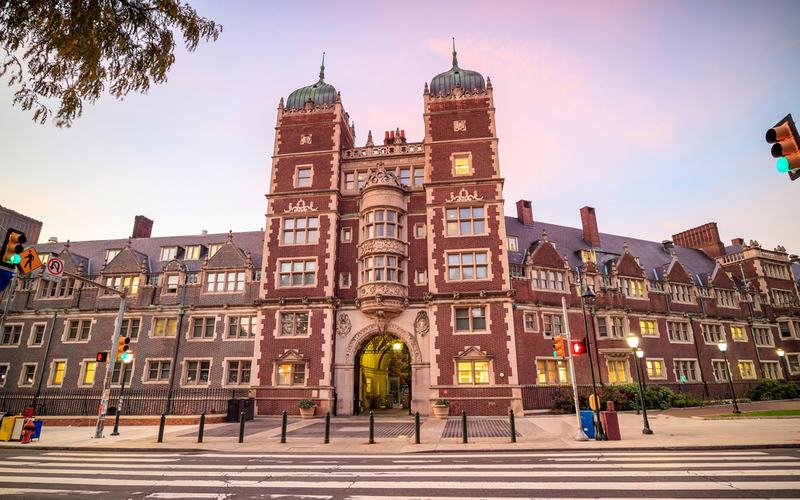
A federal judge in Philadelphia ordered the University of Pennsylvania on Tuesday to comply with a subpoena from the Equal Employment Opportunity Commission seeking information on Jewish employees as part of an ongoing investigation into workplace antisemitism.
U.S. District Judge Gerald Pappert upheld most of the EEOC subpoena, which was issued in July 2025 amid complaints of antisemitic harassment against Jewish faculty and staff at the Ivy League school. The agency seeks names and contact details for individuals potentially affected by or witnessing discrimination, describing the probe as a standard step to assess if Penn maintained a harassment-free environment.
Pappert ruled that Penn must respond by May 1 but exempted requirements to disclose any employee's specific affiliation with Jewish-related organizations on campus or provide data on groups such as MEOR, Penn Hillel, and Chabad Lubavitch House. He noted employees could decline to participate in the investigation and criticized opponents for likening the subpoena to Nazi-era lists, calling such comparisons "unfortunate and inappropriate."
The ruling stems from incidents following the October 7, 2023, Hamas attack on Israel, including antisemitic graffiti, a swastika on a building, property damage at a Jewish student center, and protests over the Gaza war that allegedly created a hostile environment for Jewish employees. The EEOC charged Penn with failing to protect staff from slurs, threats, and harassment.
Penn has argued it does not track employees by religion and that compiling such lists raises privacy concerns and First Amendment issues. A university spokesperson said, "We continue to believe that requiring Penn to create lists of Jewish faculty and staff, and to provide personal contact information, raises serious privacy and First Amendment concerns." The school plans to appeal and emphasized its commitment to addressing antisemitism through a task force and other measures.
Hundreds of faculty, staff, and students signed petitions opposing the subpoena, citing safety risks and historical sensitivities. Faculty groups described the EEOC's approach as "odd" and "amateurish."
The case reflects broader Trump administration efforts to scrutinize universities for antisemitism, including similar probes at other institutions. The EEOC lawsuit followed Penn's partial non-compliance after initial cooperation. Pappert stressed the agency's broad investigative authority in discrimination cases, often initiated by public reports to encourage witness participation.
This decision comes after former Penn President Liz Magill resigned in December 2023 following a congressional hearing on campus antisemitism. The White House had no immediate comment on the ruling.

Comments
No comments yet. Be the first to share your thoughts.