
North Korean leader Kim Jong Un vowed to expand his country's nuclear arsenal during closing remarks at the Ninth Congress of the Workers' Party on Wednesday, capping the event with a nighttime military parade in Pyongyang.
In his speech, Kim stated it is the party's "firm will to further expand and strengthen our national nuclear power, and thoroughly exercise our status as a nuclear state." He pledged to focus on increasing the number of nuclear weapons and expanding operational means, including development of stronger intercontinental ballistic missiles capable of underwater launch, artificial intelligence-based attack systems, drones, and tactical nuclear weapons such as artillery and short-range missiles.
The parade at Kim Il Sung Square featured about 14,000 troops goose-stepping under floodlights, fighter jets overhead, paratroopers descending from aircraft, and a fireworks display. Unlike a previous event in October 2025, no major hardware such as ICBMs, tanks, or hypersonic vehicles was shown, emphasizing troop discipline and loyalty instead.
Kim attended the parade alongside his teenage daughter, Kim Ju Ae, who stood prominently with him and senior officials, fueling speculation about her future role despite no new titles being announced. The congress, held once every five years, included personnel changes such as promoting Kim's sister, Kim Yo Jong, to director of a party department, and reshuffling senior military and party posts. Kim was reelected as general secretary.
Kim labeled South Korea the "most hostile enemy" and ruled out dialogue, warning that Pyongyang could "completely destroy" Seoul if provoked and that its "complete collapse cannot be ruled out." He described Seoul's conciliatory stance as "clumsily deceptive."
Toward the United States, Kim left the door open for improved ties, saying, "If the U.S. withdraws its policy of confrontation with North Korea by respecting our country's current status... there is no reason why we cannot get along well with the U.S." He framed relations as a choice between "peaceful coexistence or eternal confrontation," contingent on Washington accepting North Korea's nuclear status and ending sanctions.
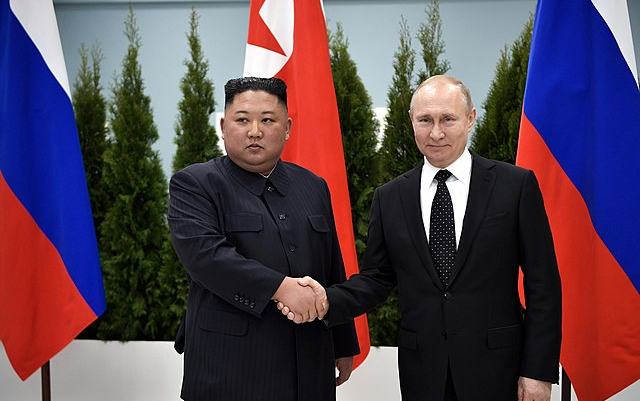
The statements come amid deepening North Korea-Russia ties, including a mutual defense pact and North Korean troops fighting in Ukraine. U.S. President Donald Trump omitted North Korea from his State of the Union address on February 25, and plans a visit to China next month, potentially influencing regional dynamics.
North Korea has advanced its nuclear and missile programs significantly since talks with Trump collapsed years ago, conducting tests of solid-fuel ICBMs and other systems in recent months.

_01.jpg)
Comments
No comments yet. Be the first to share your thoughts.