
Los Angeles County recorded 220 flea-borne typhus cases in 2025, marking the highest number ever reported and continuing an upward trend in recent years. The figure surpasses the previous year's total of 187 cases and follows 124 infections in 2023, 171 in 2022, and 141 in 2021.
Nearly 90 percent of those infected required hospitalization, underscoring the illness's potential severity despite being treatable with antibiotics when caught early. Cases spanned all ages, from 1 to 85 years old, with infections reported countywide, including three localized outbreaks in Central Los Angeles City, Santa Monica, and the unincorporated Willowbrook area in South Los Angeles County.
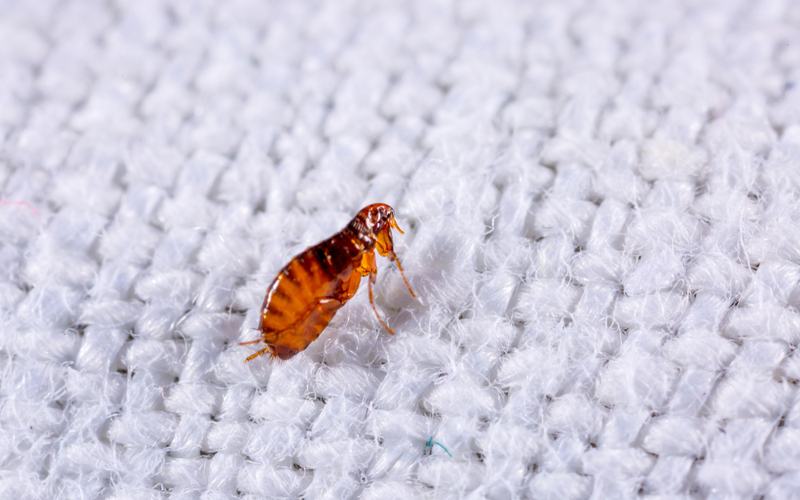
The Los Angeles County Department of Public Health issued the update on April 2, noting that flea-borne typhus, caused by the bacterium Rickettsia typhi, spreads through infected fleas commonly found on rats, free-roaming cats, and opossums. People typically contract it when flea feces enter the body via skin breaks or the eyes, often after fleas hitch a ride indoors on pets or wildlife. The disease does not spread person-to-person, and carrier animals show no symptoms.
Symptoms emerge one to two weeks post-exposure and include fever, headache, rash, body aches, nausea, and chills. While most cases resolve with doxycycline treatment, delays can lead to complications like meningitis, and rare fatalities have occurred, including three in 2022.
"Flea-borne typhus can cause serious illness, but it is preventable with simple steps," said Muntu Davis, MD, MPH, Los Angeles County Health Officer. "With cases at an all-time high and most requiring hospitalization, it’s critical that people take simple steps now, such as routinely using flea control on their pets, avoiding contact with stray animals, and preventing wildlife from living in or around their homes."
Public health experts attribute the rise partly to seasonal flea activity peaking in late summer and fall, alongside exposures near homes in areas with rodents or strays. Cases occur year-round but have climbed steadily since 2010.
To curb the spread, officials recommend year-round flea treatments for pets, keeping animals indoors, securing trash and pet food, trimming vegetation, sealing home entry points, and avoiding stray animals. Residents spotting pests or wildlife should contact local animal control. Those with symptoms after potential exposure should seek prompt medical care.
No vaccine exists, but adherence to these measures can significantly reduce risk, especially in high-exposure zones like Central and South Los Angeles.

Comments
No comments yet. Be the first to share your thoughts.