
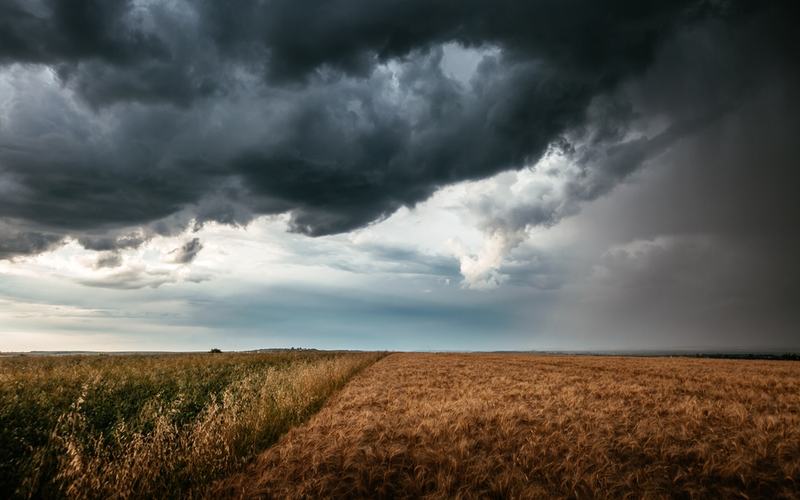
A large and volatile weather system swept across wide portions of the United States on Sunday, bringing heavy snow and blizzard conditions to parts of the Upper Midwest while strong winds and wildfire danger spread across the Plains. Forecasters warned that the system could produce severe thunderstorms and possible tornadoes as it moves eastward toward the Atlantic coast.
Meteorologists said the storm system is affecting a broad region of the country, with multiple types of severe weather occurring simultaneously. Heavy snowfall blanketed portions of Minnesota and Wisconsin, while powerful wind gusts caused damage and fueled wildfire outbreaks in the central Plains. At the same time, parts of Hawaii experienced flash flooding from intense rainfall.
According to the National Weather Service, more than a foot of snow had fallen in some areas of Minnesota and Wisconsin by Sunday morning, with blizzard warnings in effect across parts of the region. Forecasters warned that additional snowfall and strong winds could make travel extremely dangerous, especially near Minneapolis and the surrounding areas.
Transportation officials across Minnesota, Michigan, and Wisconsin issued alerts urging drivers to avoid unnecessary travel. The Wisconsin Department of Transportation warned that conditions were deteriorating rapidly in the northern parts of the state as visibility dropped and roads were covered in snow.
Air travel also experienced major disruptions as the storm intensified. More than 600 flights at Minneapolis–Saint Paul International Airport were canceled on Sunday, according to the flight-tracking service FlightAware. Additional cancellations were reported at Detroit Metropolitan Airport and other hubs across the Midwest.
While snowstorms hit northern states, strong winds across the central United States contributed to dangerous wildfire conditions in Nebraska. State officials said approximately 30 Nebraska National Guard personnel had been deployed to assist local firefighters battling several large grassland fires.
Authorities reported that three major wildfires had burned more than 900 square miles of land across the state. A single blaze in Morrill County has burned more than 700 square miles. Nebraska Gov. Jim Pillen confirmed that one person had died in connection with the fires and urged residents to follow evacuation orders as winds intensified.
The National Weather Service issued high-wind warnings for much of Nebraska, with gusts potentially reaching 60 miles per hour.
Meteorologists said the same system is expected to produce a line of powerful thunderstorms beginning Sunday afternoon in the Mississippi, Tennessee, and Ohio valleys before pushing east overnight.
By Monday, forecasters warned that the storm could bring widespread damaging winds and several tornadoes to parts of the eastern United States, particularly in the Mid-Atlantic region.
Cities including Raleigh, North Carolina; Richmond, Virginia; and Washington, D.C., were identified as areas that could face particularly strong storms Monday afternoon. A broader but lower tornado risk was forecast from portions of New York down to northern Florida.
Meanwhile, heavy rain continued across parts of Hawaii, where flash flooding forced road closures and opened emergency shelters. Officials reported that intense rainfall — sometimes reaching two inches per hour — flooded farmland and homes on Maui, Molokai, and the Big Island.
Power outages also affected tens of thousands of customers nationwide, including roughly 48,000 in Hawaii and about 150,000 across Ohio, Pennsylvania, and Michigan, where strong winds earlier in the weekend damaged power lines.
Forecasters warned that the storm system would continue to move eastward through early Monday, potentially disrupting travel and bringing additional dangerous weather conditions across much of the eastern half of the country.

Comments
No comments yet. Be the first to share your thoughts.