
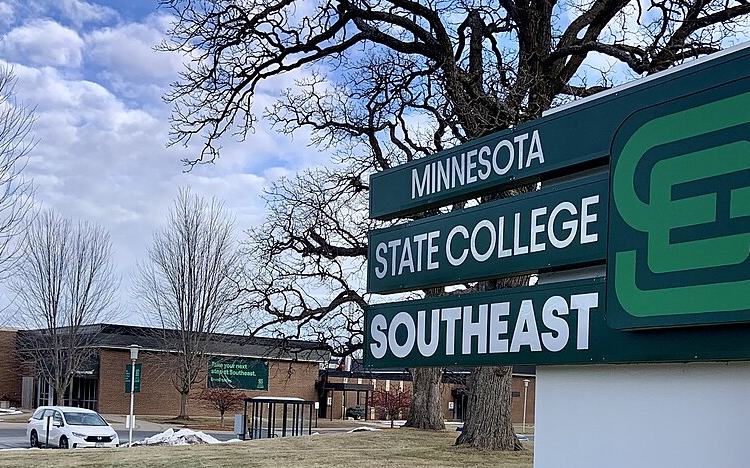
Minnesota’s public college system is confronting a surge in fraudulent financial aid applications tied to so-called “ghost students,” individuals who allegedly use stolen identities to enroll in classes and seek taxpayer-funded assistance.
According to reporting by KSTP, the Minnesota State Colleges and Universities system identified more than 7,700 fraudulent or potentially fraudulent financial aid applications during the 2024–2025 academic year. The system includes 33 colleges and universities statewide.
Officials said nearly 95% of the suspicious applications were submitted to two-year community colleges. In most cases, the fraud was detected before any funds were disbursed.
However, KSTP uncovered at least two instances in which money was distributed before the schemes were uncovered. In one case, a man in Hutchinson, Kansas, reported that someone used his name and Social Security number to collect $13,000 in aid. Another victim said his personal information was used to obtain two student loans totaling more than $6,700.
A spokesperson for Minnesota State told the outlet that at least three institutions were required to repay the federal government amounts ranging from $9,500 to $63,500 after identifying fraudulent enrollments.
Craig Munson, chief information security officer for the Minnesota State system, addressed the issue during a Minnesota House hearing Thursday. He described the perpetrators as organized and financially resourced.
“These fraudsters are very well organized and well financed,” Munson told lawmakers, adding that the schemes divert money intended for legitimate students in need of assistance.
Munson did not provide a total cost estimate but said the system is making progress in identifying and intercepting fraudulent activity. He noted that while community colleges were initially the primary targets, recent patterns show attempts expanding into four-year institutions.
During the hearing, Munson outlined recommendations to strengthen safeguards, including implementing an automated identity-verification system projected to cost between $1 million and $1.5 million annually.
State officials indicated the goal is to prevent further losses and ensure financial aid funds reach eligible students rather than criminal networks exploiting the system.

Comments
No comments yet. Be the first to share your thoughts.