
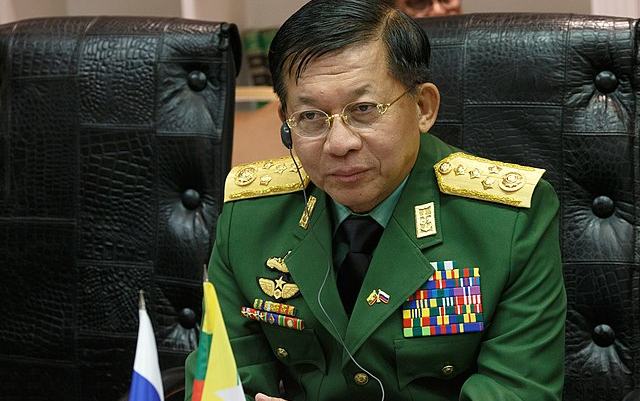
Myanmar's pro-military parliament elected Senior General Min Aung Hlaing as president on Friday, cementing the army's control five years after his 2021 coup.
The 69-year-old former junta chief secured 429 votes out of 584 cast in the Union Parliament, surpassing the required majority threshold, parliament speaker Aung Lin Dwe announced. Two other candidates received the remaining votes in the indirect election held at 10 a.m. local time in Nay Pyi Taw.
Min Aung Hlaing stepped down as armed forces commander-in-chief on Monday, fulfilling a constitutional requirement that bars the president from holding the top military post. The move paves the way for him to lead a nominally civilian government while retaining influence over the military through allies and constitutional safeguards.
The vote follows the Union Solidarity and Development Party (USDP), backed by the military, winning a majority in the December 2025-January 2026 general election. Opposition parties boycotted the poll, which rights groups and Western governments dismissed as illegitimate amid restrictions on campaigning and ongoing conflict. The military holds 25% of parliamentary seats by constitution, ensuring dominance alongside USDP lawmakers.
Min Aung Hlaing seized power in February 2021, ousting elected leader Aung San Suu Kyi and President Win Myint over alleged election fraud claims. The coup sparked nationwide protests, armed resistance, and a civil war that has killed tens of thousands and displaced millions, according to United Nations estimates.
As acting president and state administration council chairman since the takeover, Min Aung Hlaing has faced international sanctions for human rights abuses, including the Rohingya crisis. Amnesty International stated Friday that the presidency must not shield him from accountability.
The election marks a transition from direct junta rule to a hybrid system, with Min Aung Hlaing poised to appoint a new military chief from loyalists like former spymaster Ye Win Oo. Analysts view it as a facade to legitimize military dominance amid battlefield setbacks against ethnic armed groups and the People's Defense Forces.

Comments
No comments yet. Be the first to share your thoughts.