
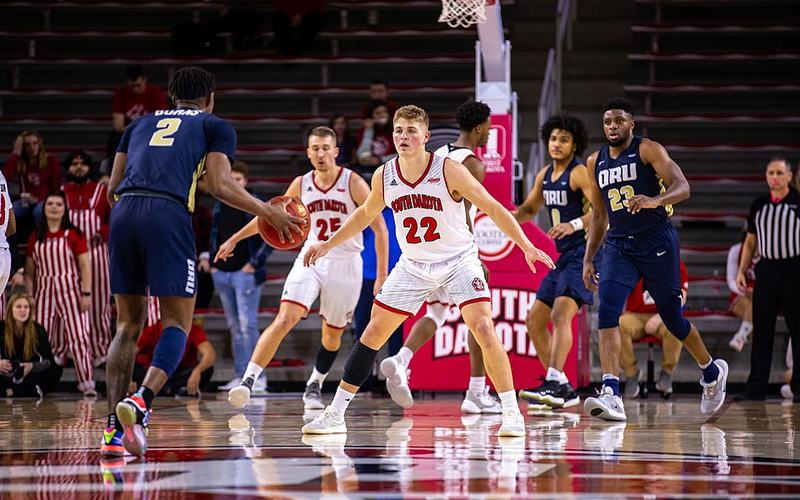
The NCAA has entered the final stages of expanding both its men's and women's Division I basketball tournaments to 76 teams beginning with the 2027 edition, multiple sources reported Tuesday.
ESPN's Pete Thamel first broke the news, stating that the organization initiated the process after more than a year of discussions. CBS Sports confirmed the development, noting that a formal announcement could come as early as mid-May once committees provide their approvals. The expansion requires ratification by the men's and women's basketball committees, the oversight committees, the Division I Cabinet, and the Division I Board of Governors. Sources described these steps as formalities.
Under the new format, 52 teams will receive automatic bids as conference champions or at-large selections and advance directly to the main bracket, which opens Thursday and Friday after Selection Sunday. The remaining 24 teams will compete in 12 opening-round games across Tuesday and Wednesday at two sites, with Dayton, Ohio, hosting the men's games and a second location to be determined, likely west of the Eastern time zone for the women's tournament. These games, expanding the current First Four, will feature matchups including all No. 16 seeds, half of the No. 15 seeds, some No. 11 and No. 12 seeds, and lower at-large teams based on the NET metric.
The change adds eight at-large bids, primarily benefiting power conference bubble teams from leagues like the ACC, Big Ten, Big 12, SEC, and Big East. Analysis of the 2026 tournaments showed that most first-four-out teams hailed from these groups, such as Oklahoma and Auburn on the men's side and BYU and Stanford on the women's. Mid-majors are unlikely to gain significant access without exceptional performances.
NCAA President Charlie Baker has supported expansion, citing good reasons during a February seminar while noting ongoing talks with media partners. Last week, Baker and senior vice president Dan Gavitt met with broadcasters in New York to finalize details. The move addresses financial pressures from lawsuits and settlements, generating modest revenue through additional games and sponsorships like beer ads, without diluting conference distributions.
The NCAA responded to the reports with a statement: "Expanding the basketball tournaments would require approval from multiple NCAA committees, including the men's and women's basketball committees, and no final recommendations or decisions have been made at this time."
Reactions have been mixed. Proponents, including commissioners and coaches, welcome more opportunities. Critics, including ESPN's Jay Williams, argue it dilutes tournament quality and regular-season stakes. Social media backlash erupted Tuesday, with many fans decrying the change to the cherished 68-team format.
This marks the first major expansion since 2011, when the field grew to 68 with the First Four. The men's tournament remains the NCAA's top revenue source, while the women's operates at a loss but will follow the same model.

Comments
No comments yet. Be the first to share your thoughts.